Who uses this: Admins and Team Managers hold the Create & send Estimates/Invoices permission, it is configurable for Service Agents, and Limited Agents do not have it. Availability: All regions.An estimate pulls line items, materials, and labor into one document you send for customer approval or present in person. Once the customer accepts, you convert the estimate into an invoice in one click, so nothing has to be re-entered.
Overview
You can create an estimate in the web app or the mobile app. Either way, you link a customer, add line items, set the final details such as notes and tax, and save. FieldPulse opens the saved estimate as a record with a Draft status. When you are ready, you preview the estimate, send it to the customer, and convert it to an invoice after the customer accepts.Before you begin
- Every estimate links to a customer. Start the estimate from a job record or a customer record to carry that link in automatically, or start from the Estimates tab and link the customer yourself.
- Add the products and services you sell to your item list first so you can search for them while you build the estimate. You can also create a new line item without leaving the estimate. See Setting Up Item List & Inventory.
On web
Choose where to start
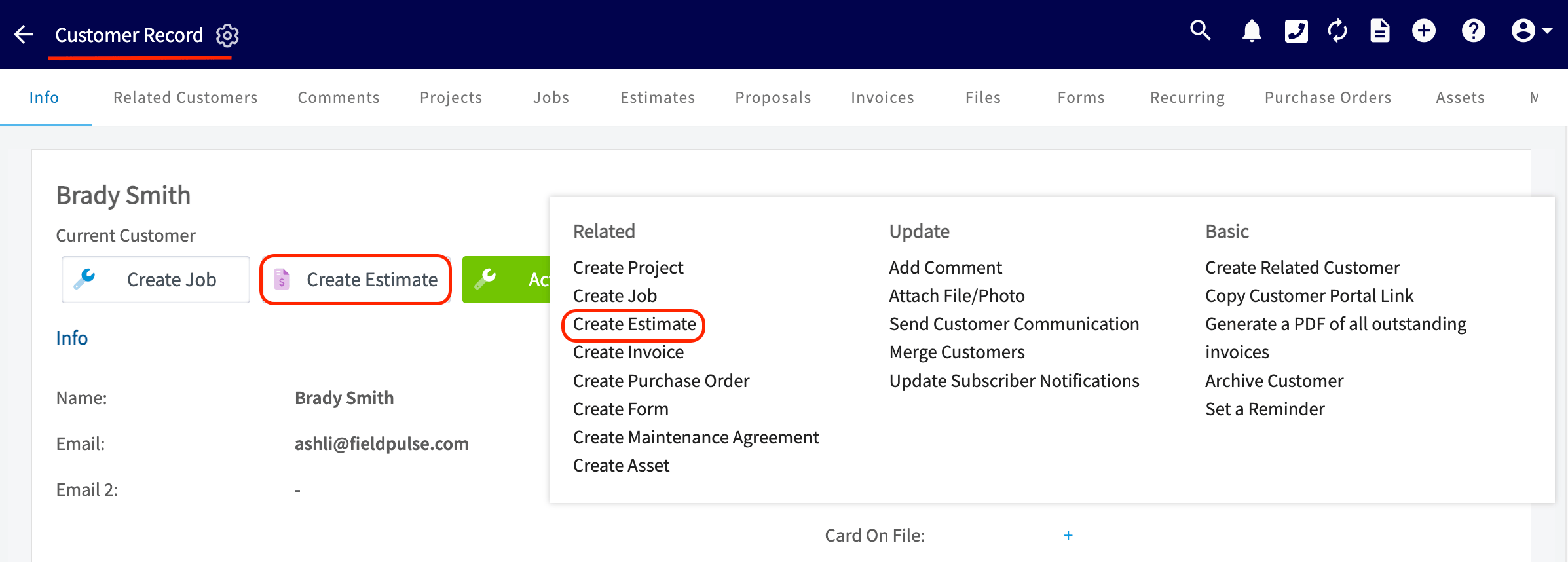
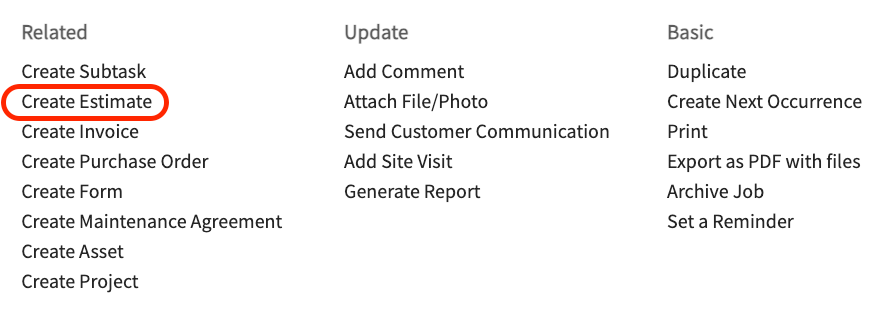
You can start an estimate from a customer record, the Estimates tab, or a job record.- Customer record — select Create Estimate, or select the green Actions button and then Create Estimate.
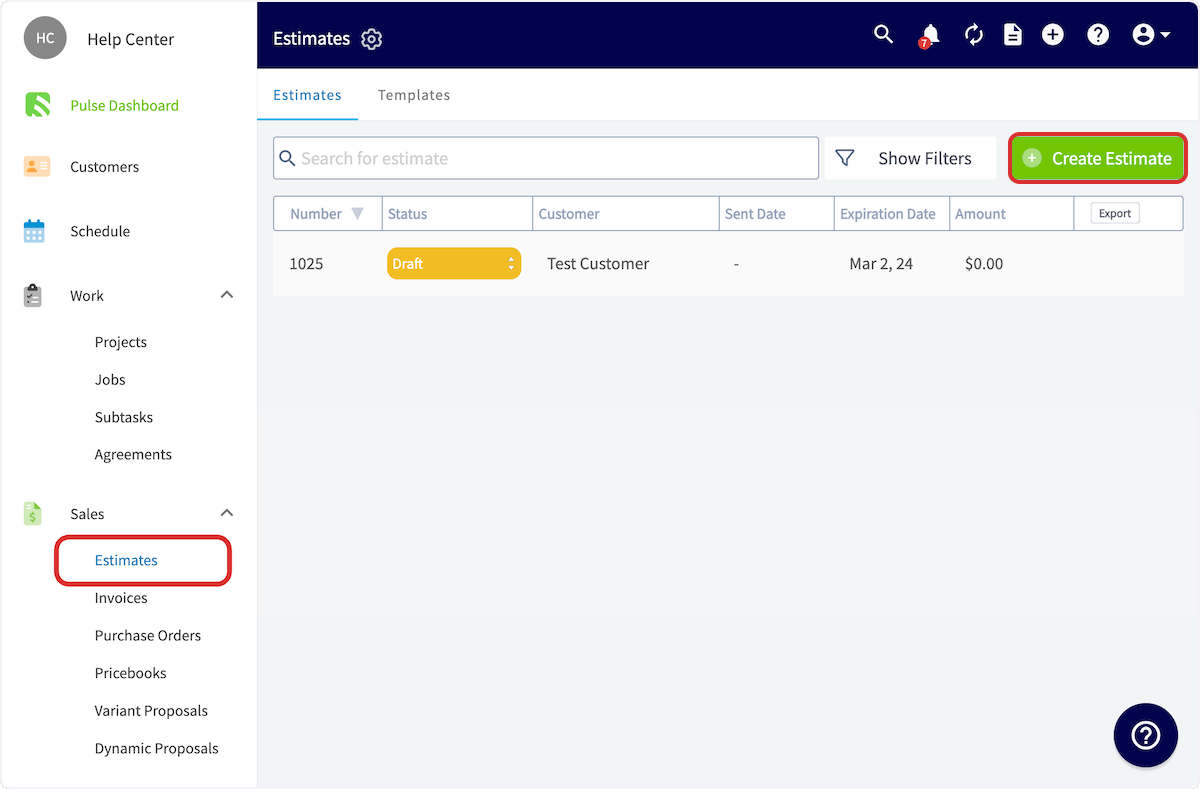
- Estimates tab in the left-side menu — select Create Estimate.
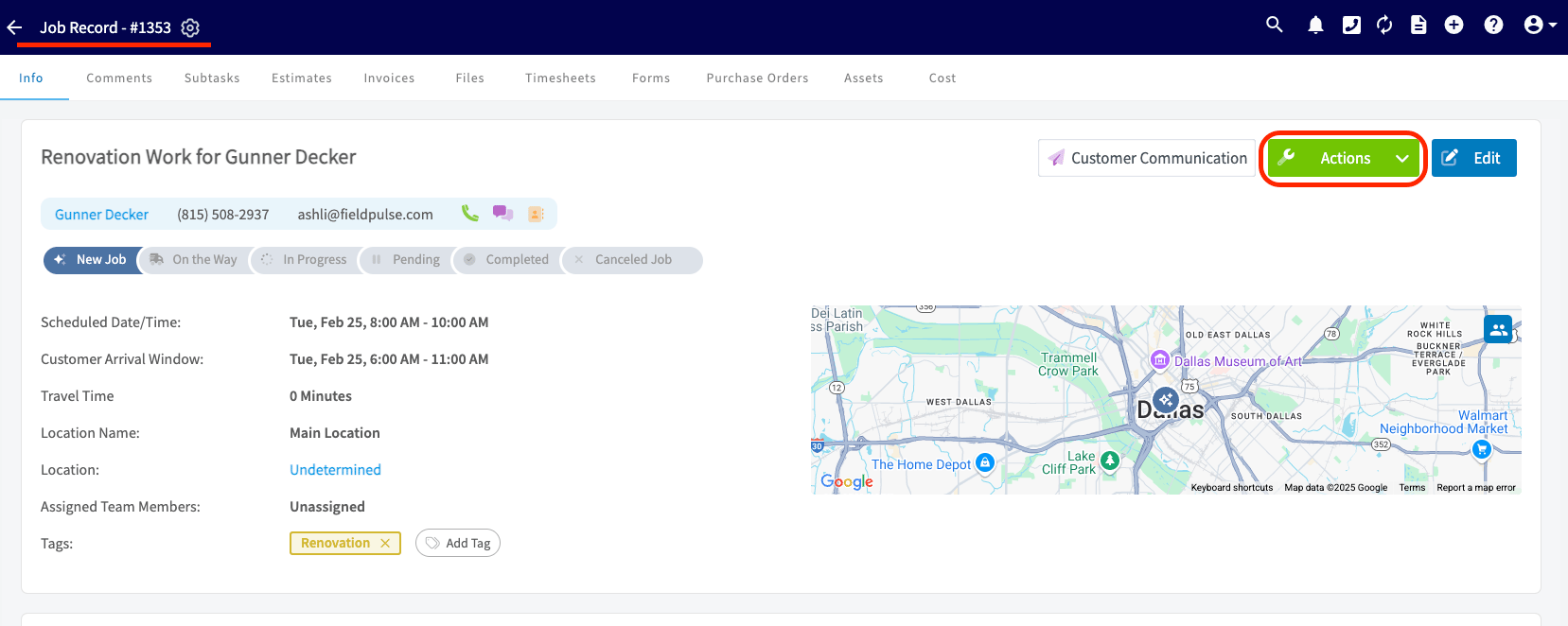
- Job record — select the green Actions button, then Create Estimate.
Enter the essential information
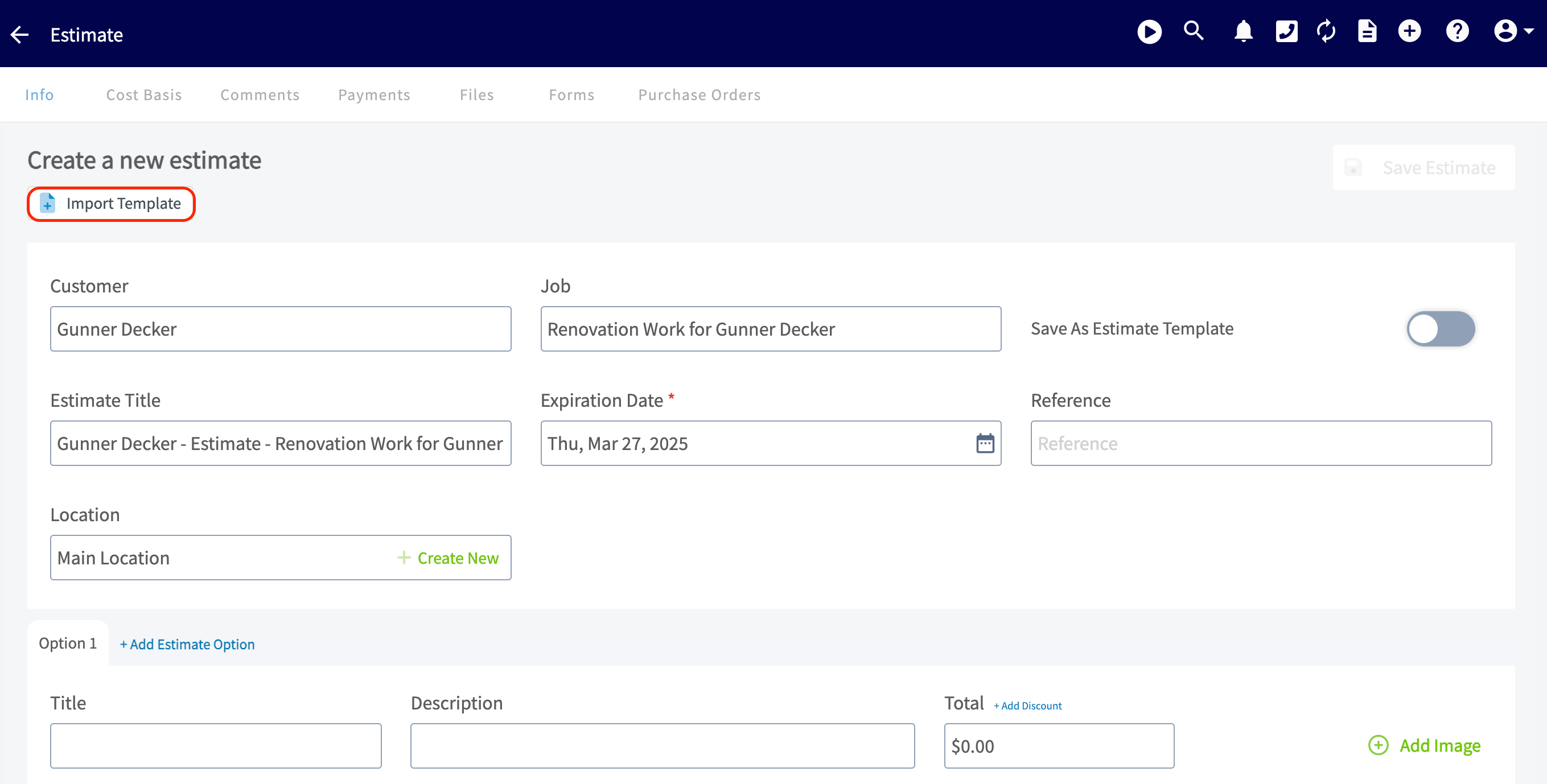
- Confirm the customer and the linked job. If you started from a job record, FieldPulse fills in both automatically. If you started from a customer record or the Estimates tab, link the related customer and job yourself.
- To start from a saved layout, select Import Template. See How to Use Estimate & Invoice Templates.
- Set the Expiration Date. FieldPulse fills in the default from Company Settings, and you can change it on this estimate.
Add line items
-
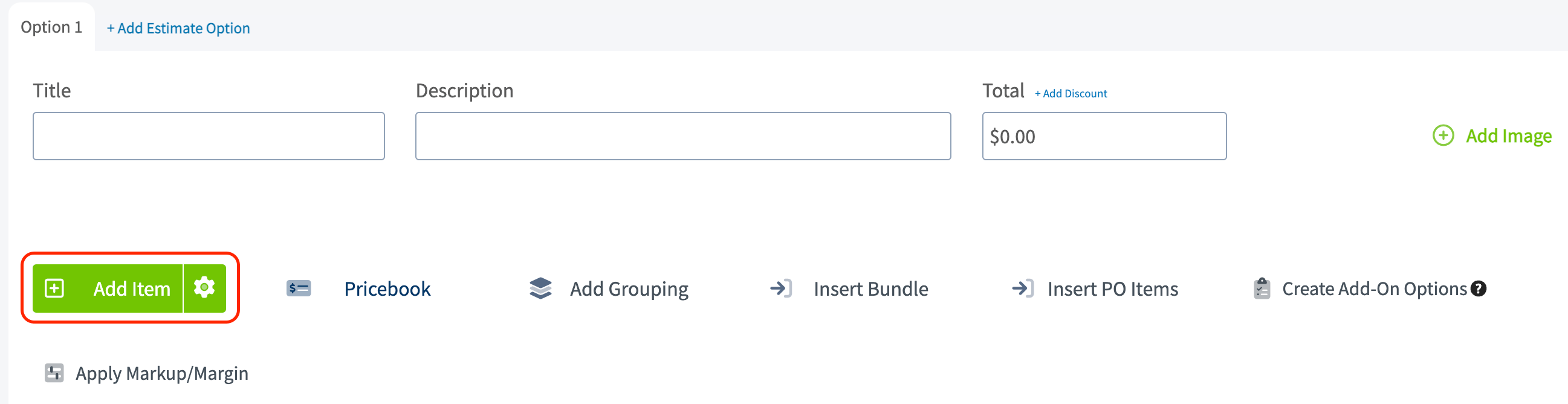
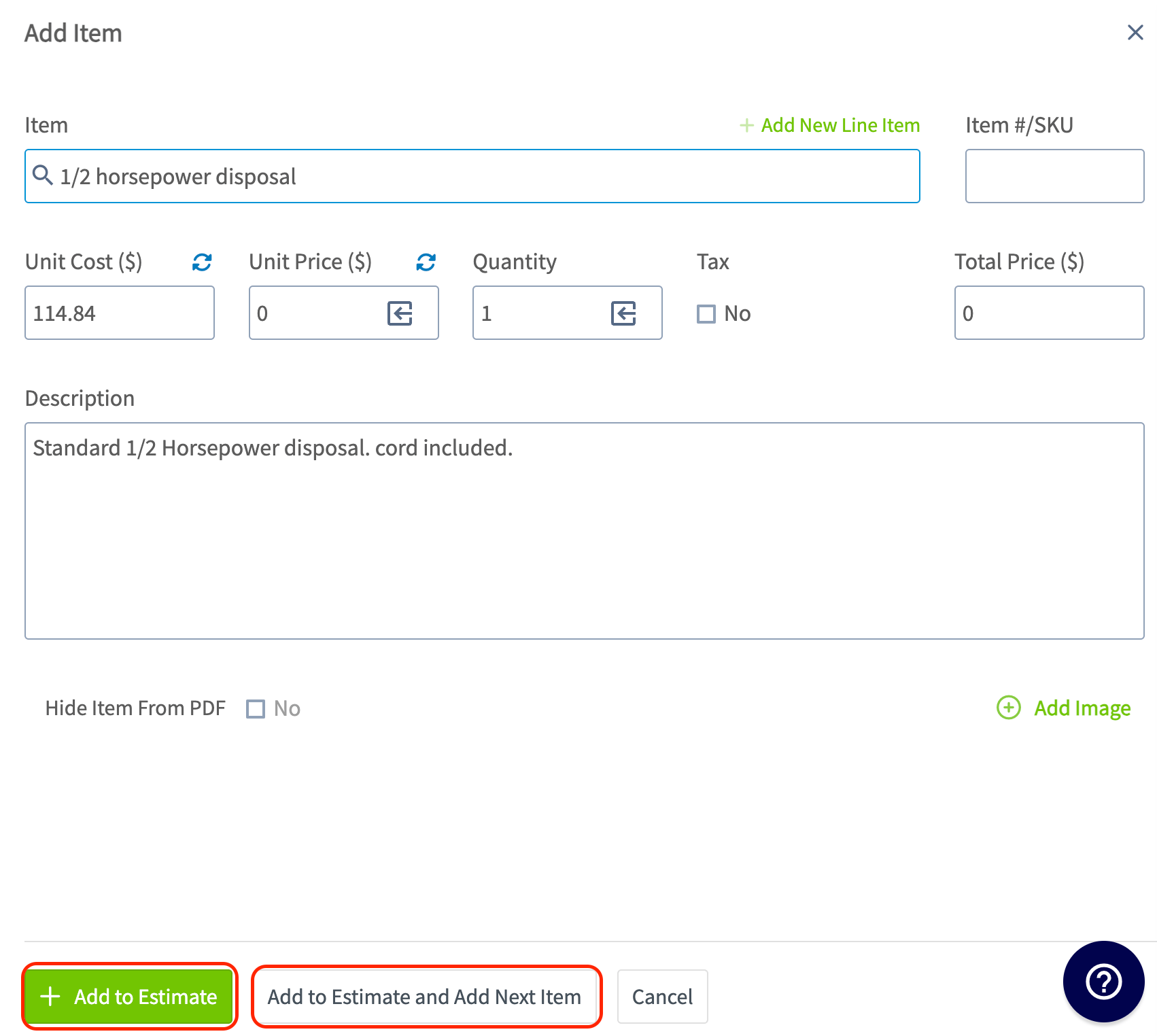
Select the green Add Item button. A panel opens on the right side of the screen.
-
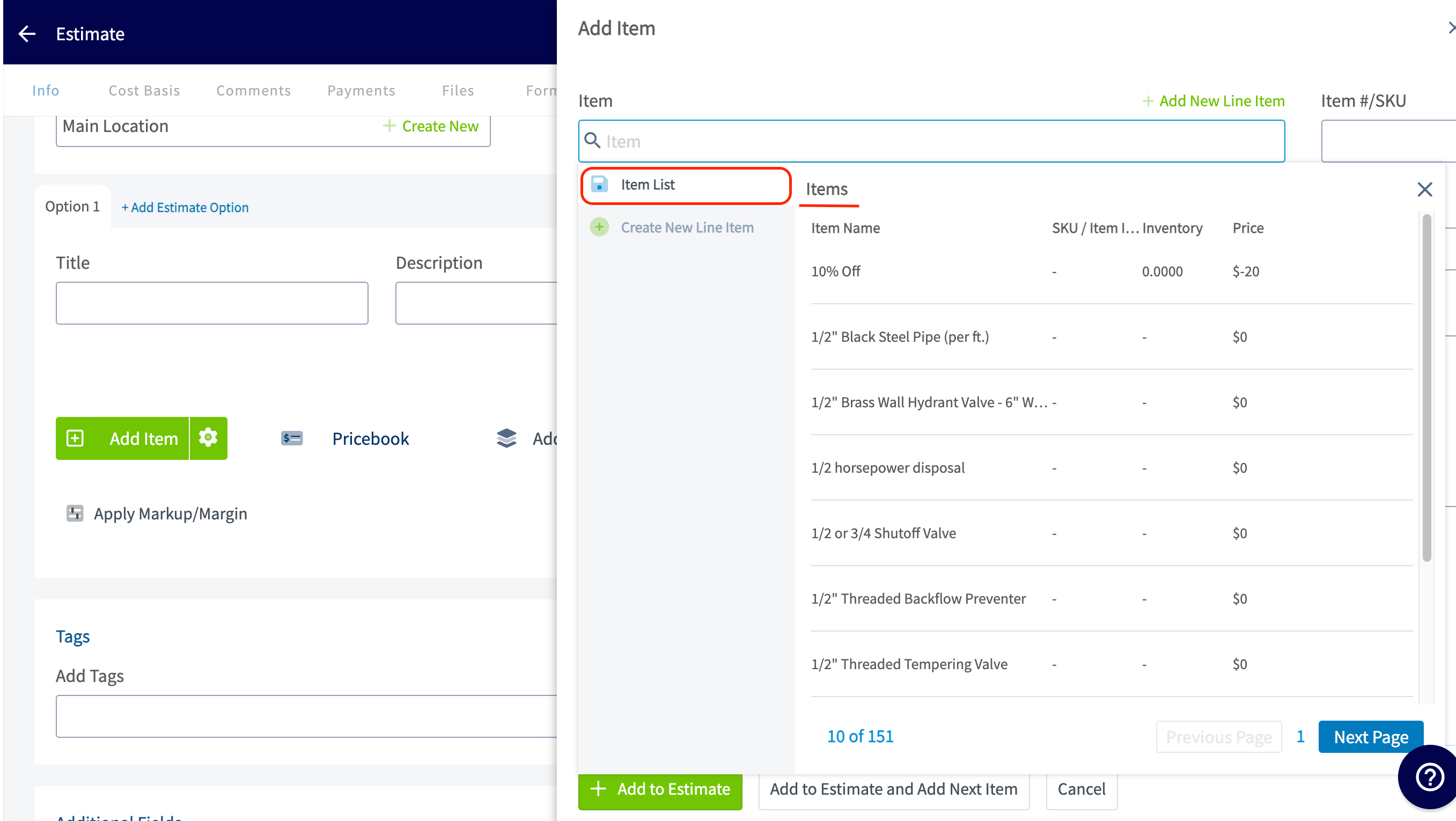
To add an item you already saved, search your item list, select the item, then select Add to Estimate and Add Next Item to keep adding or Add to Estimate if it is the last one.
-
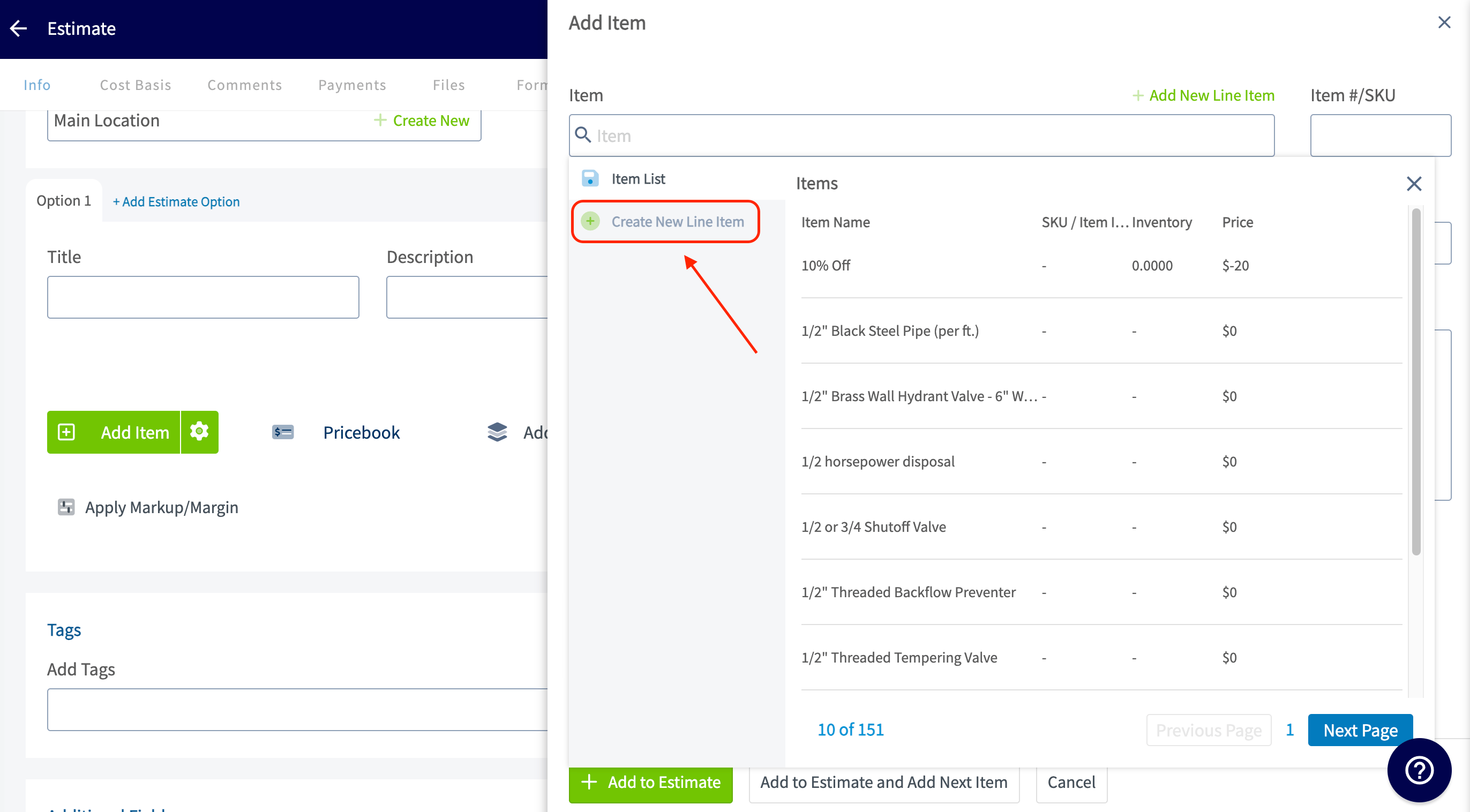
To add an item that is not saved yet, select Create New Line Item. Enter the item name, item type, SKU, unit cost, unit price, quantity, and description. Decide whether to track inventory for the item and whether to tax it, and add item tags, a UPC (barcode), or a supplier if you use them.
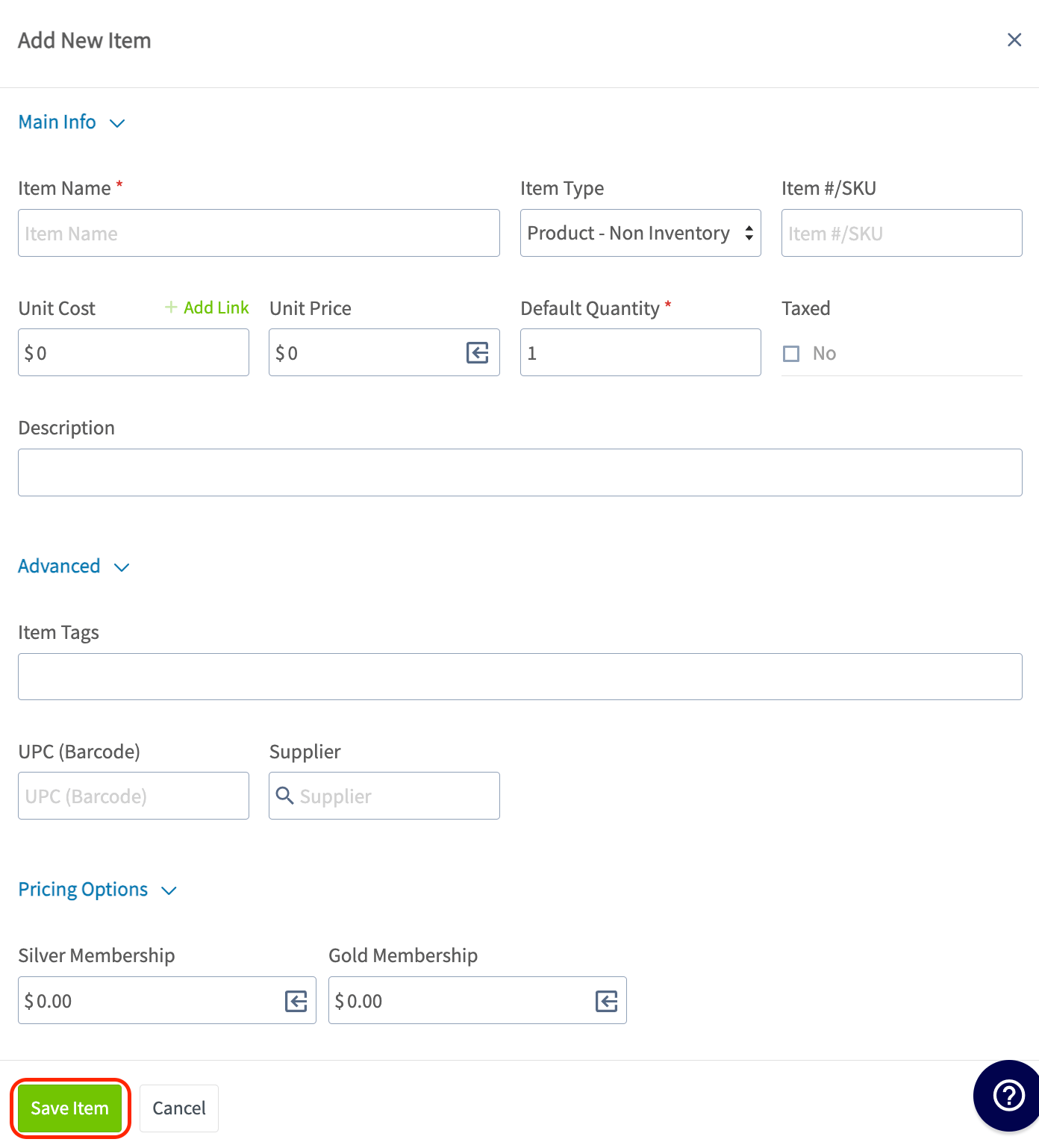
- Select Save Item, then Add Item. FieldPulse saves the item to your item list and adds it to the estimate.
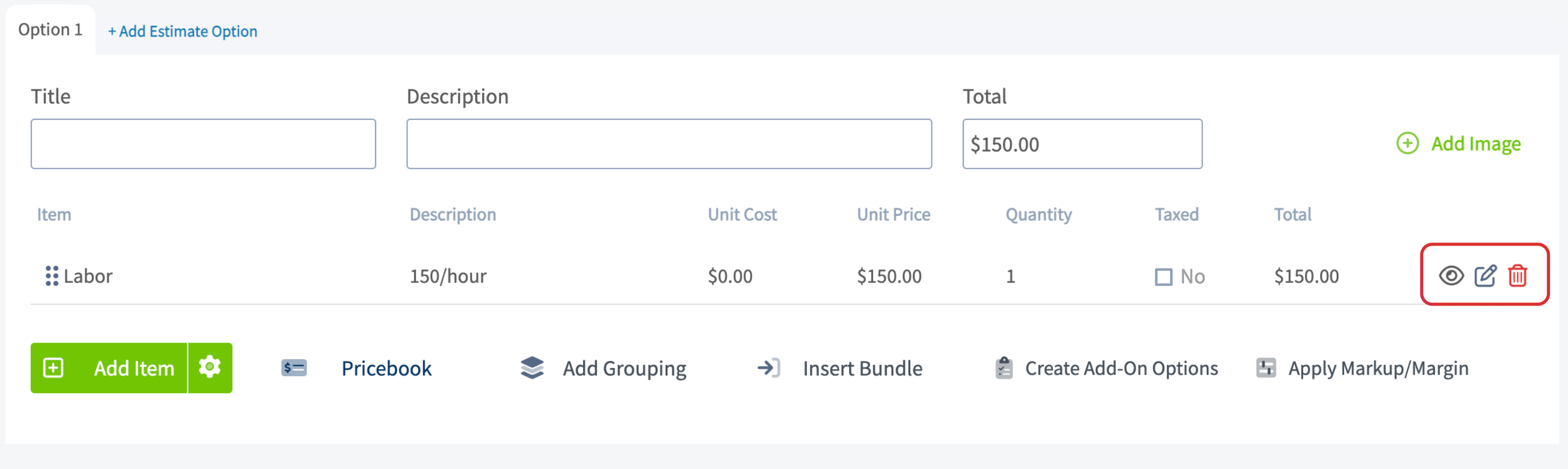
- Manage each line item with the icons at the right of its row — the eye icon controls whether the customer sees the item, the pen icon edits it, and the trash icon deletes it.
Set the final details
-
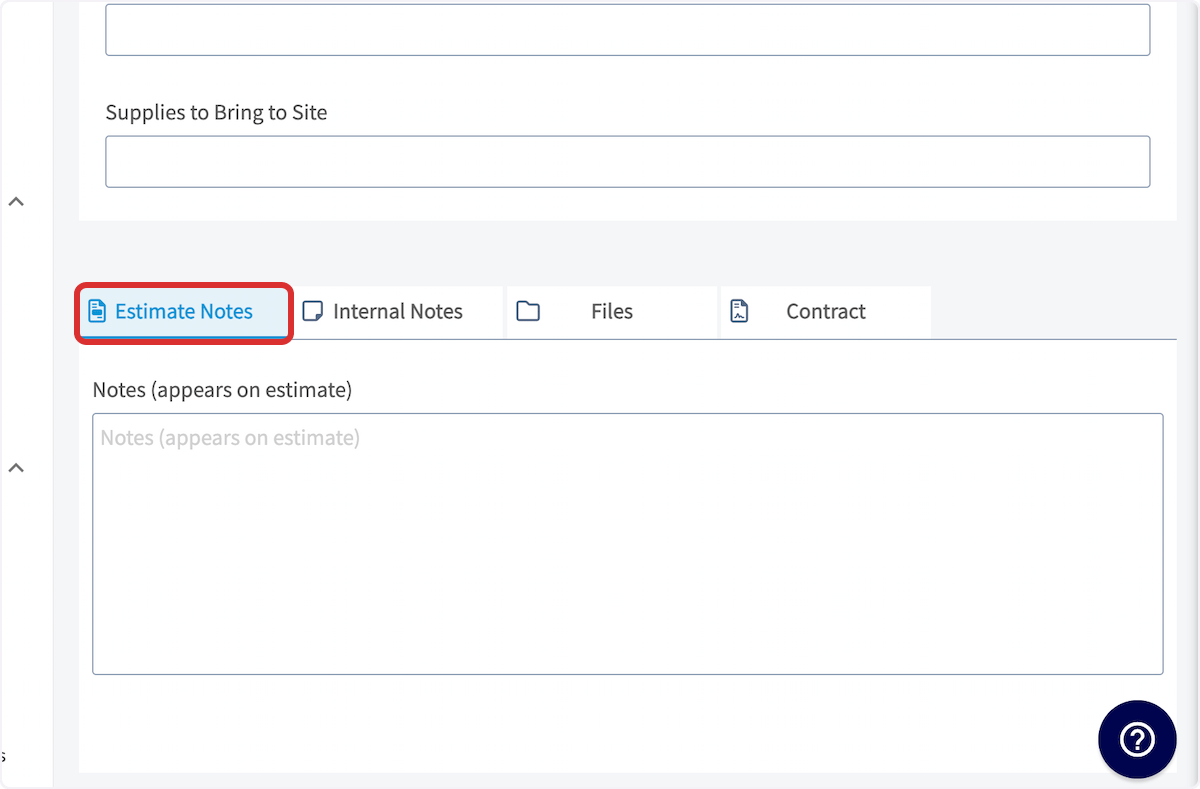
Add Estimate Notes by typing in the box. These notes appear near the top of the estimate PDF and save when you save the estimate. For notes the customer should not see, use the Internal Notes tab.
-
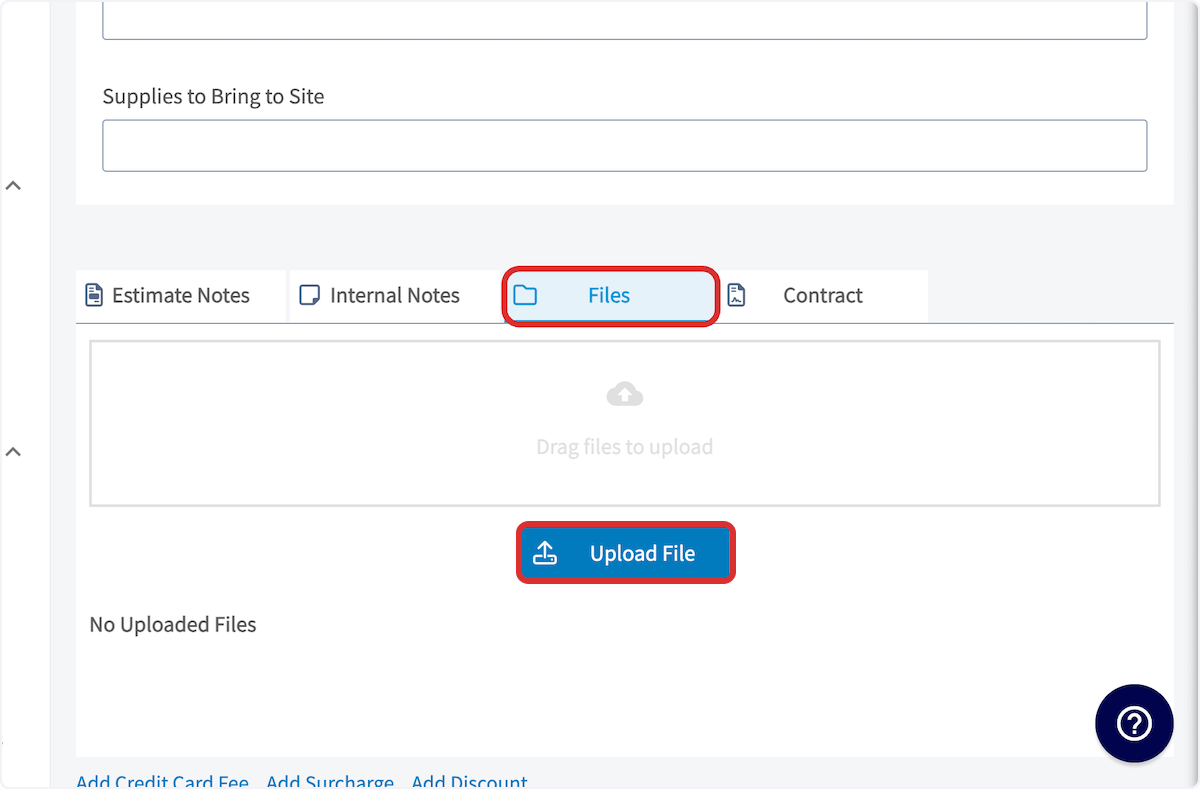
Attach files or photos on the Files tab with Upload File. See How to Attach Photos & Files to Estimates & Invoices.
-
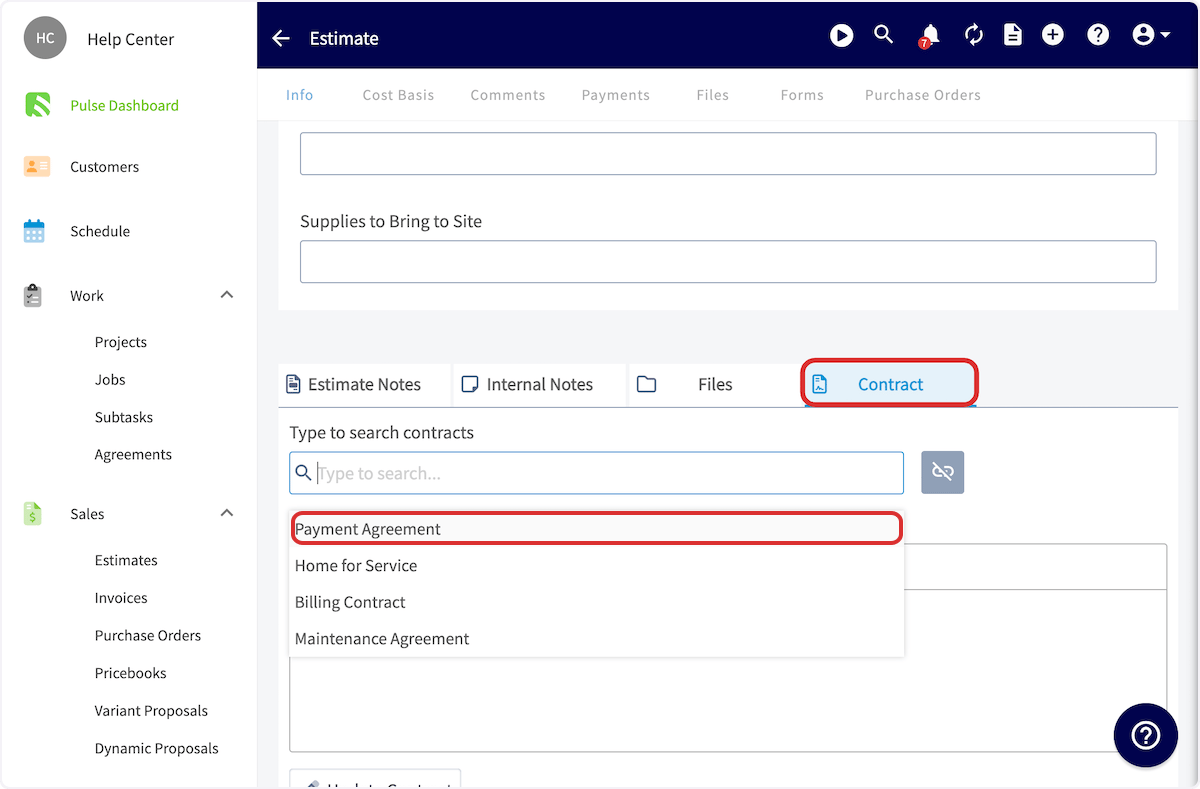
Attach a contract on the Contract tab and pick the contract you want. See How to Request a Customer Signature.
You must attach a contract to collect a customer signature on an estimate you present in person.
-
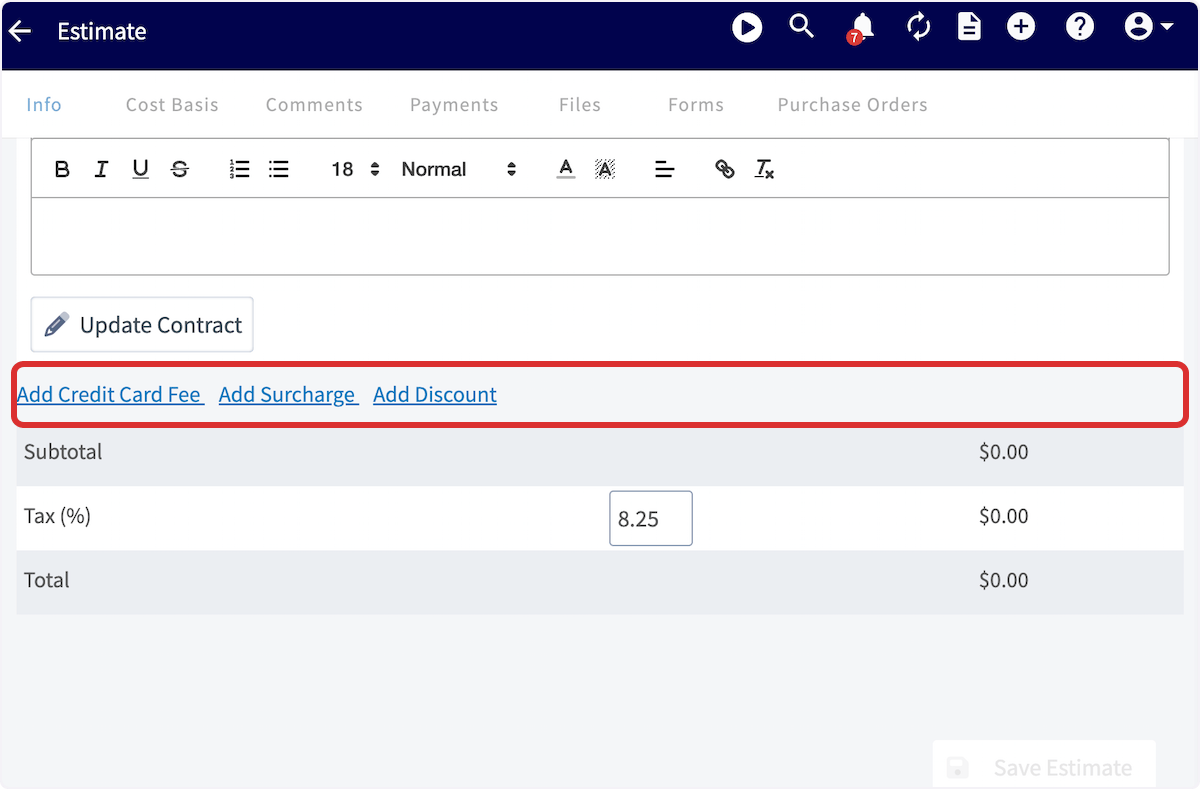
Review the subtotal and adjust the totals:
- Add Credit Card Fee — charge a percentage or dollar amount for paying with a card.
- Tax (%) — the default tax rate from Company Settings applies, and you can change it on this estimate. FieldPulse applies tax only to the line items you marked as taxed. See Setting Up Automatic Tax Rates & Tax Override.
- Add Surcharge or Add Discount — add or subtract a percentage or fixed amount from the estimate total.
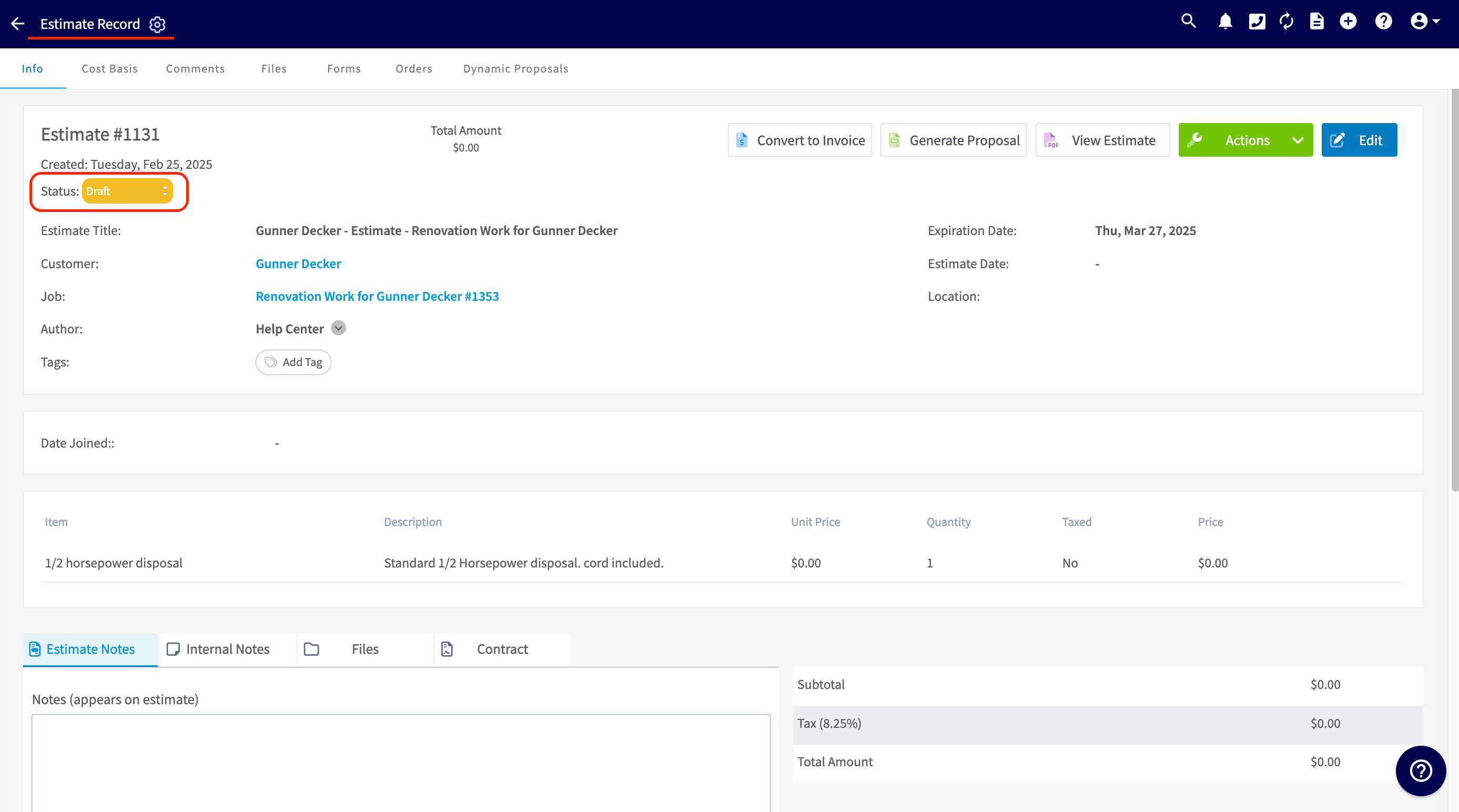
- Select Save Estimate. FieldPulse opens the estimate record with a Draft status. Select Edit to change anything.
Preview, send, and convert
-
Select View Estimate to preview the estimate.
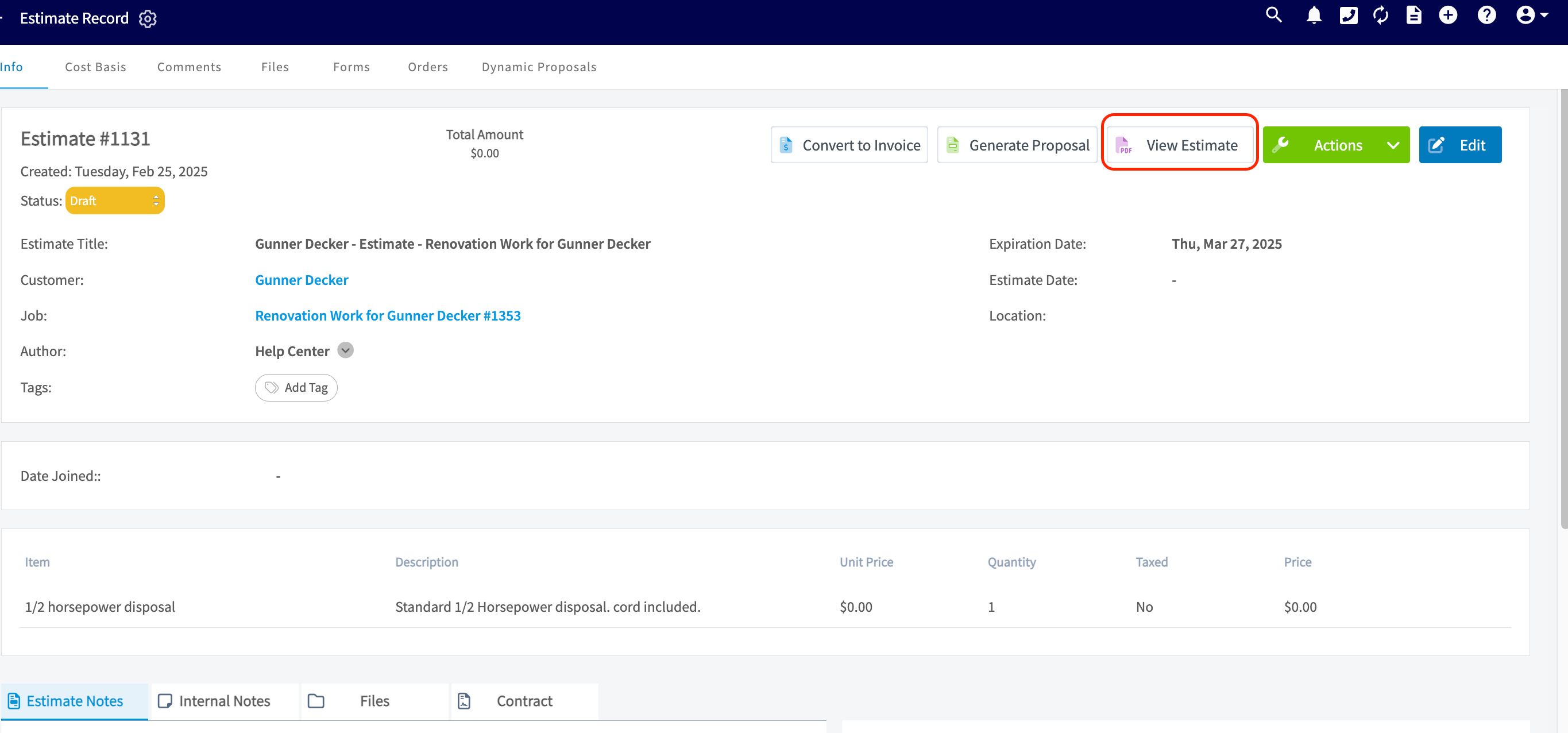
- From the preview, send the estimate to your customer and customize how the estimate looks. See How to Send Estimates & Invoices to Customers.
- When the customer accepts, select Convert to Invoice to move every detail from the estimate into an invoice record. See How to Create an Invoice.
Video walkthrough: creating an estimate in the web app
On mobile
Start the estimate
-
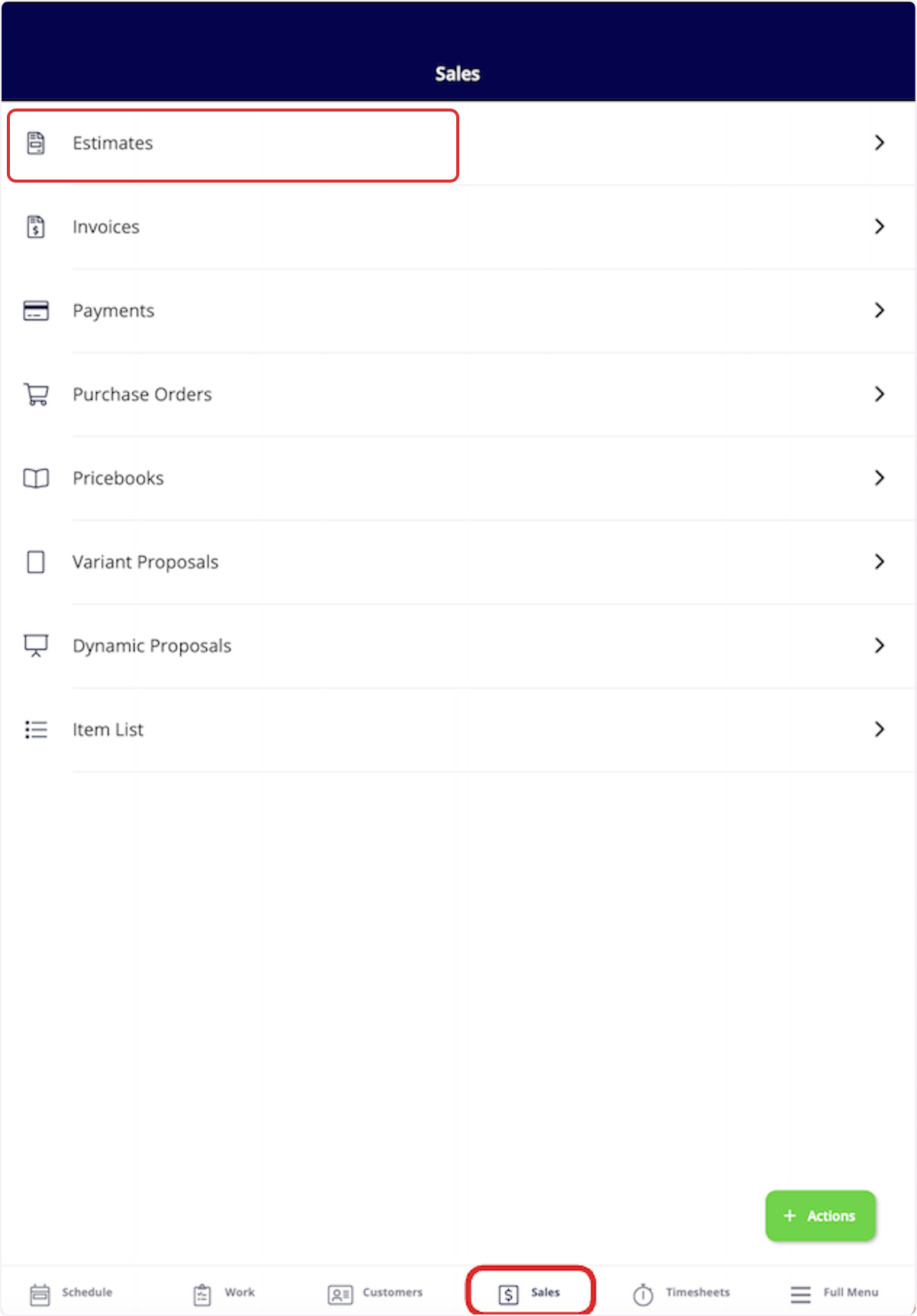
Select the Sales tab in the bottom menu, then select Estimates. You can also start an estimate from a job record, a customer record, or the Actions button.
-
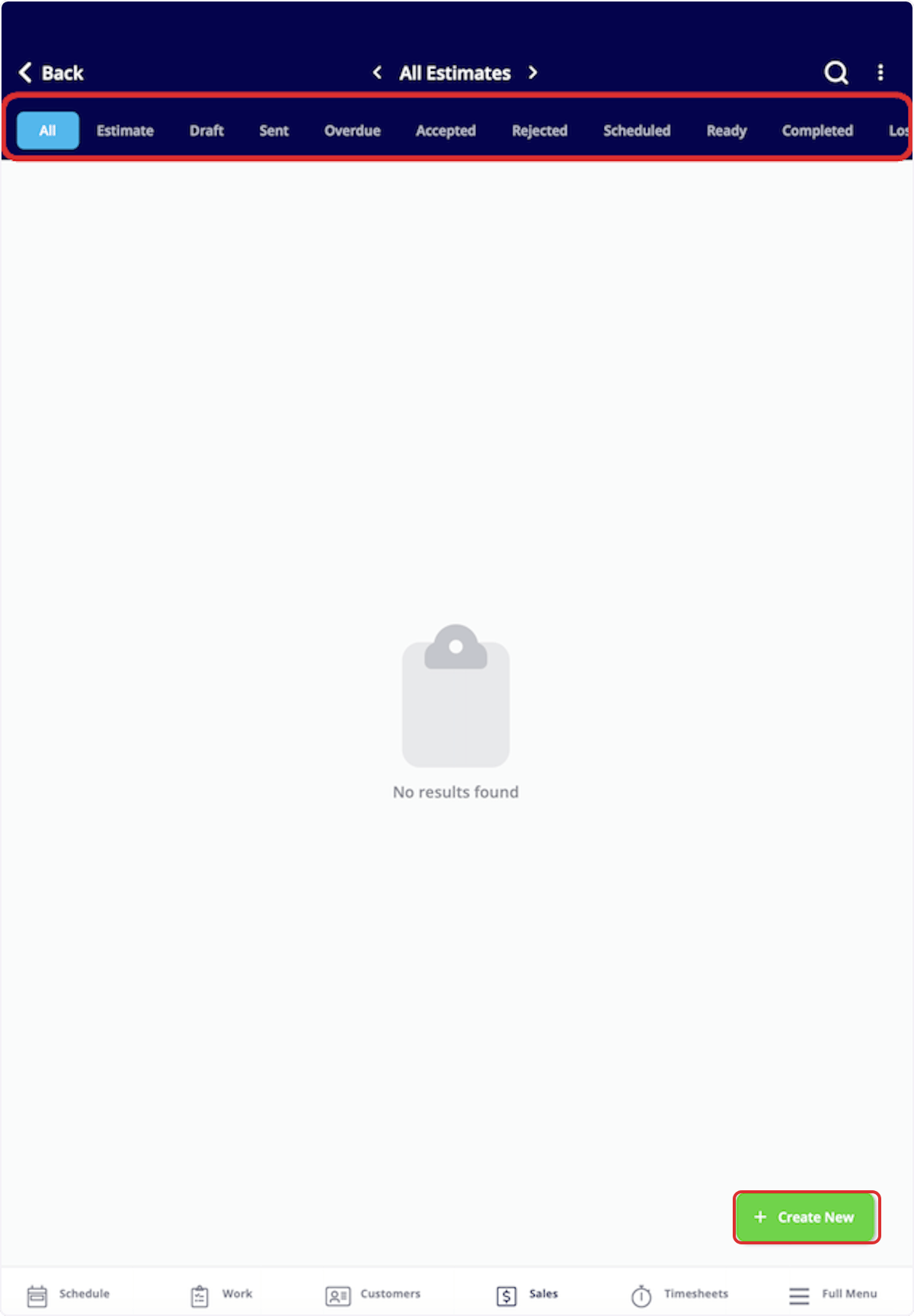
Select Create New. To find an existing estimate first, filter the list with the status menu at the top of the screen.
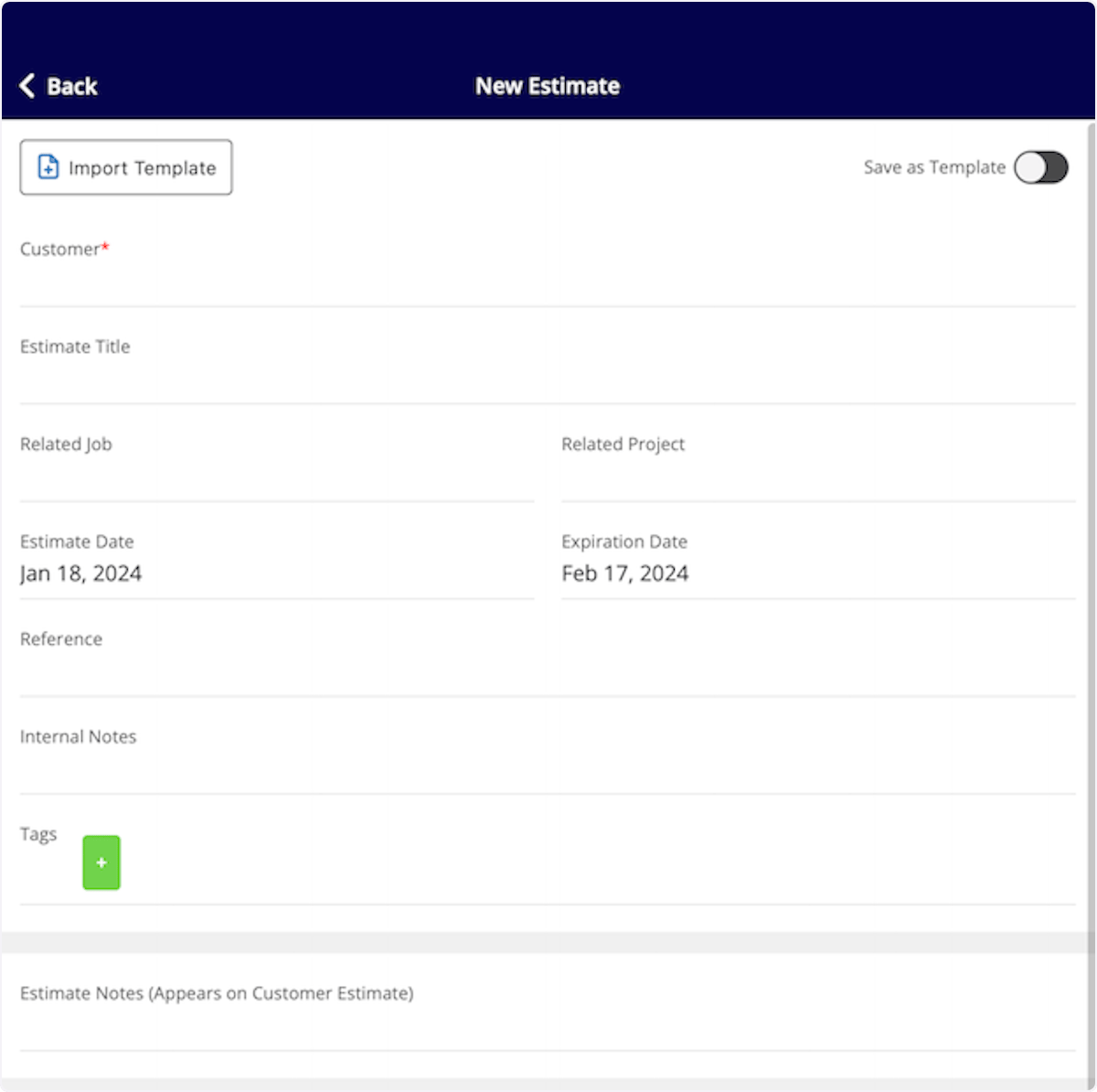
- Select Import Template to build the estimate from an existing template, or fill in the details to start from scratch. To reuse this estimate later, turn on Save as Template.
- Select the customer to link to this estimate. If the estimate connects to an existing job or project, search for it in the Related Job or Related Project field.
- Add internal notes and tags, and adjust the Expiration Date if you need to. To change what FieldPulse fills in on every new estimate, see Setting Up Default Estimate & Invoice Settings.
Add line items
Add items with Add Line Item to search your item list, Insert Bundle for services and parts you group together, or Pricebook for flat-rate jobs. The rest of the building blocks sit with them under the line items — Add Grouping, Insert PO Items, Apply Markup/Margin, and Create Add-On Options — and Add Estimate Option sits above them. The mobile options also include Granite Group, which adds purchase order items from The Granite Group to the estimate. See Setting Up The Granite Group Integration.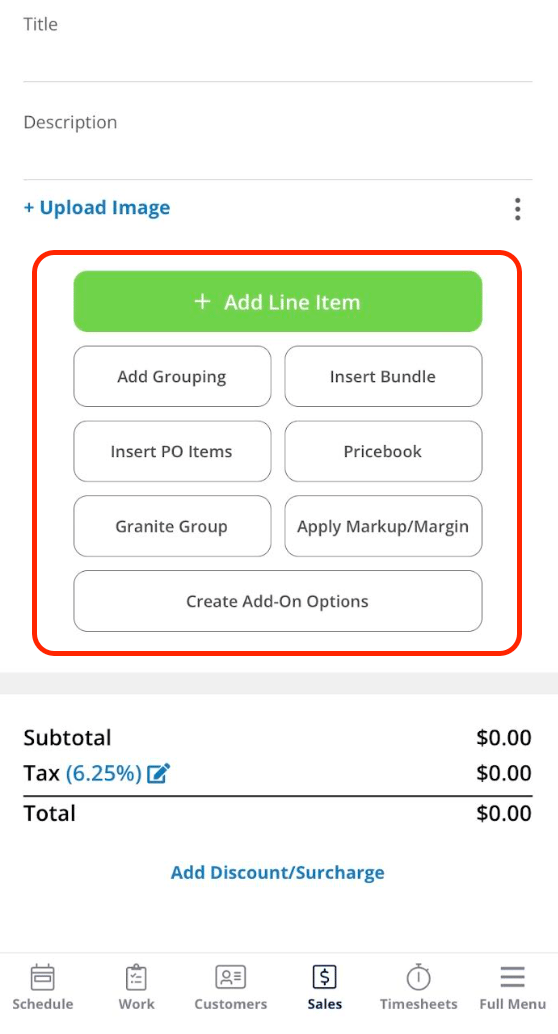
Add photos to line items
-
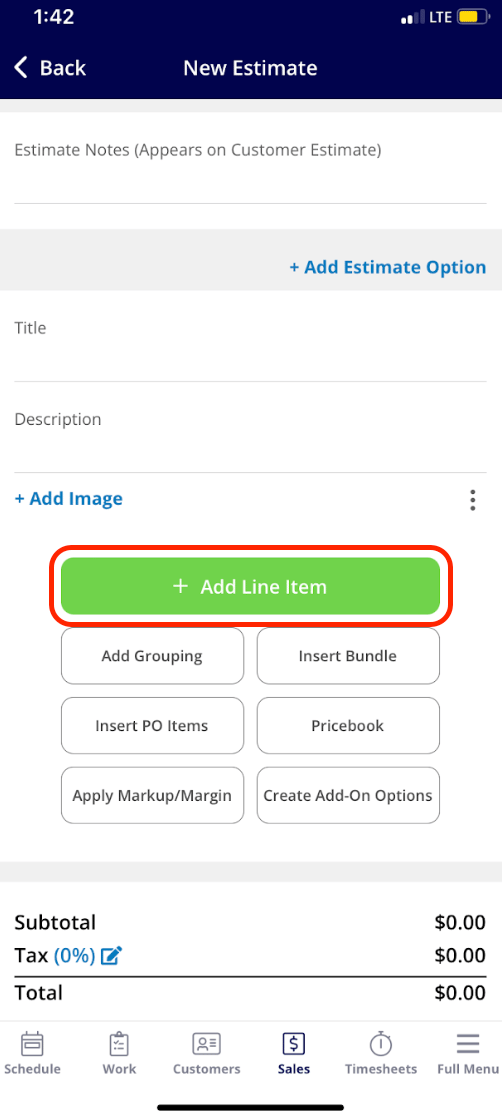
Open the estimate you are working on and select the green Add Line Item button.
-
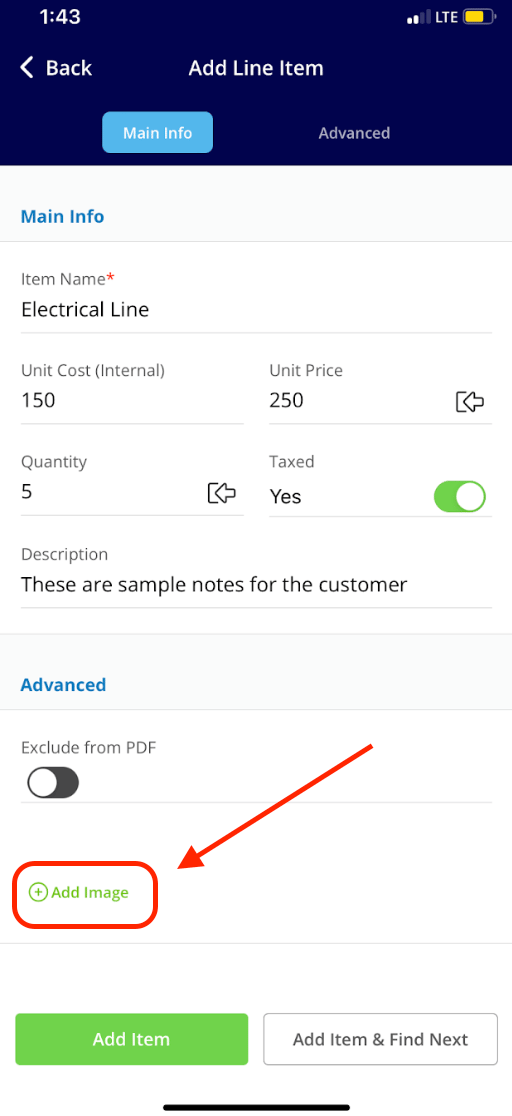
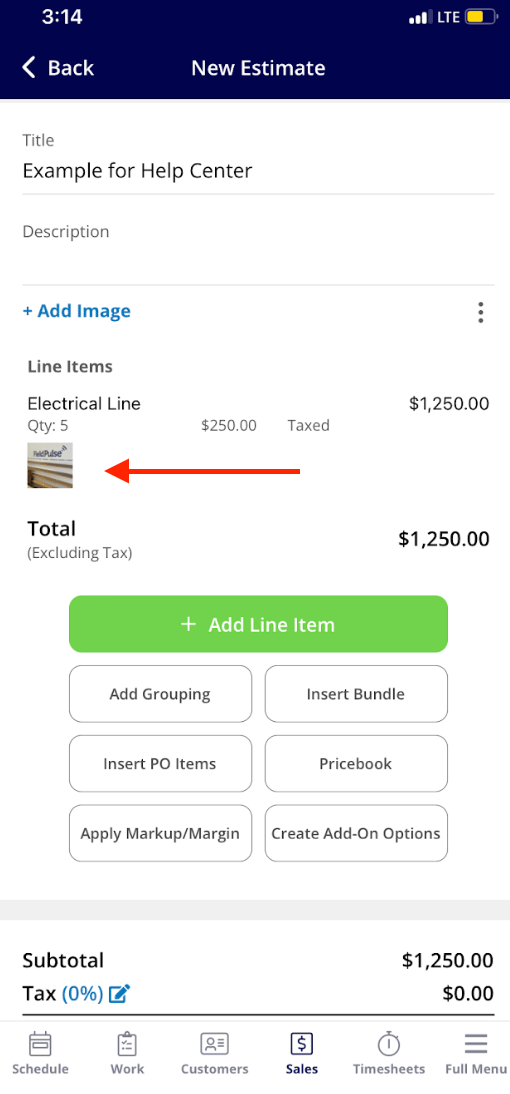
Select the line item you want to add, then select Add Image before you choose Add Item or Add Item & Find Next.
-
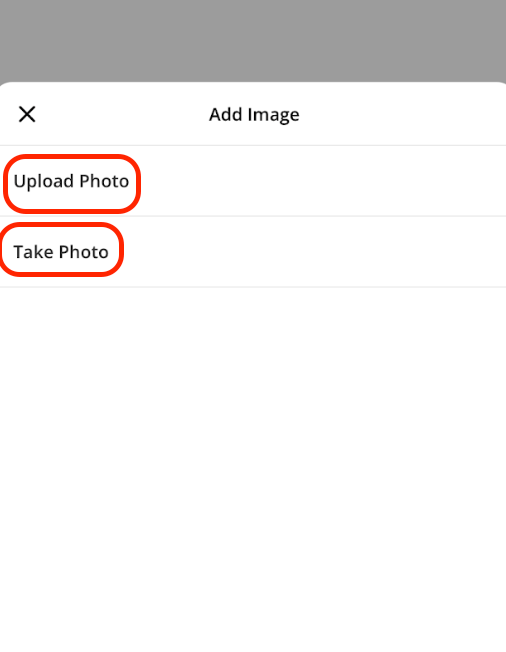
Choose Upload Photo to pick an image already on your device, or Take Photo to capture a new one.
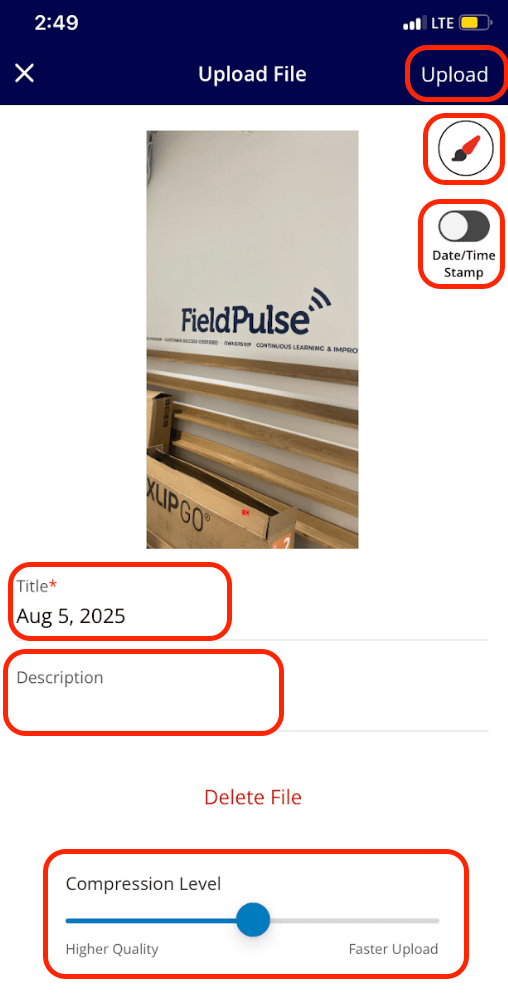
- Title the photo, mark it up, add a description, and set the compression level and date/time stamp.
- Select Upload in the top right corner.
Scan a barcode to add an item
-
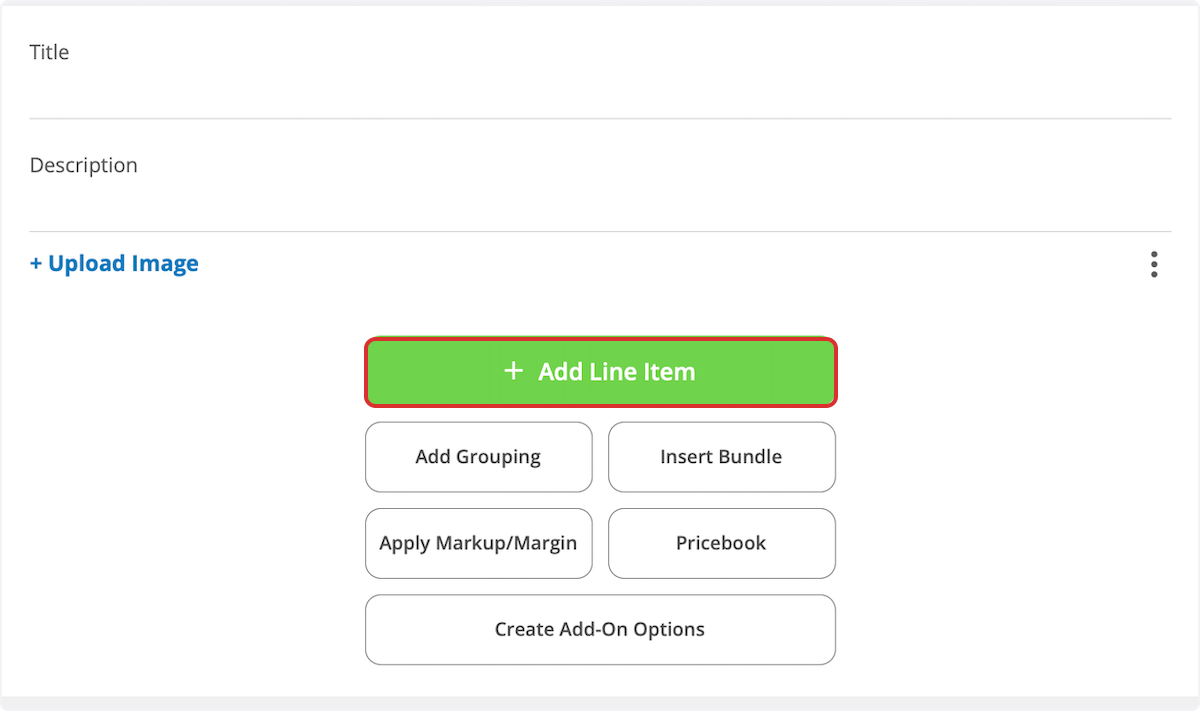
Open a new estimate in the mobile app, scroll down, and select Add Line Item.
-
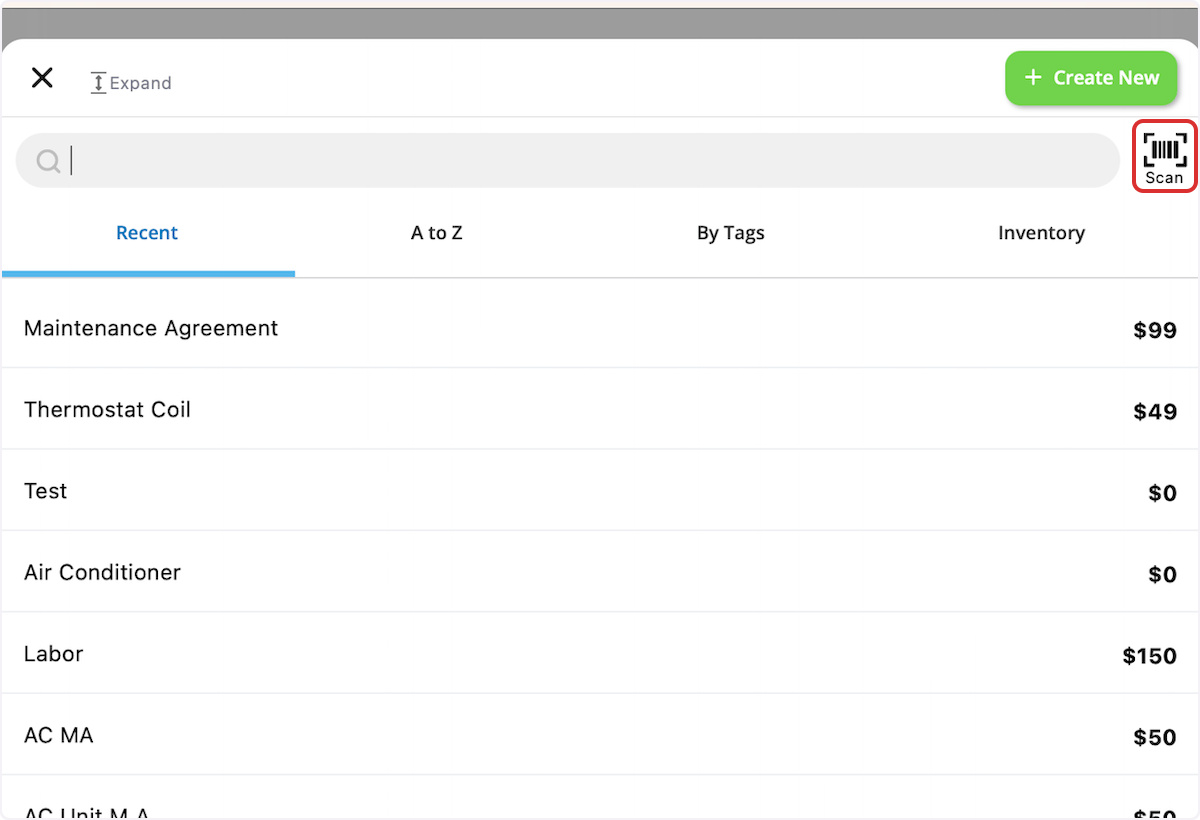
Select the Scan barcode icon next to the item search box.
-
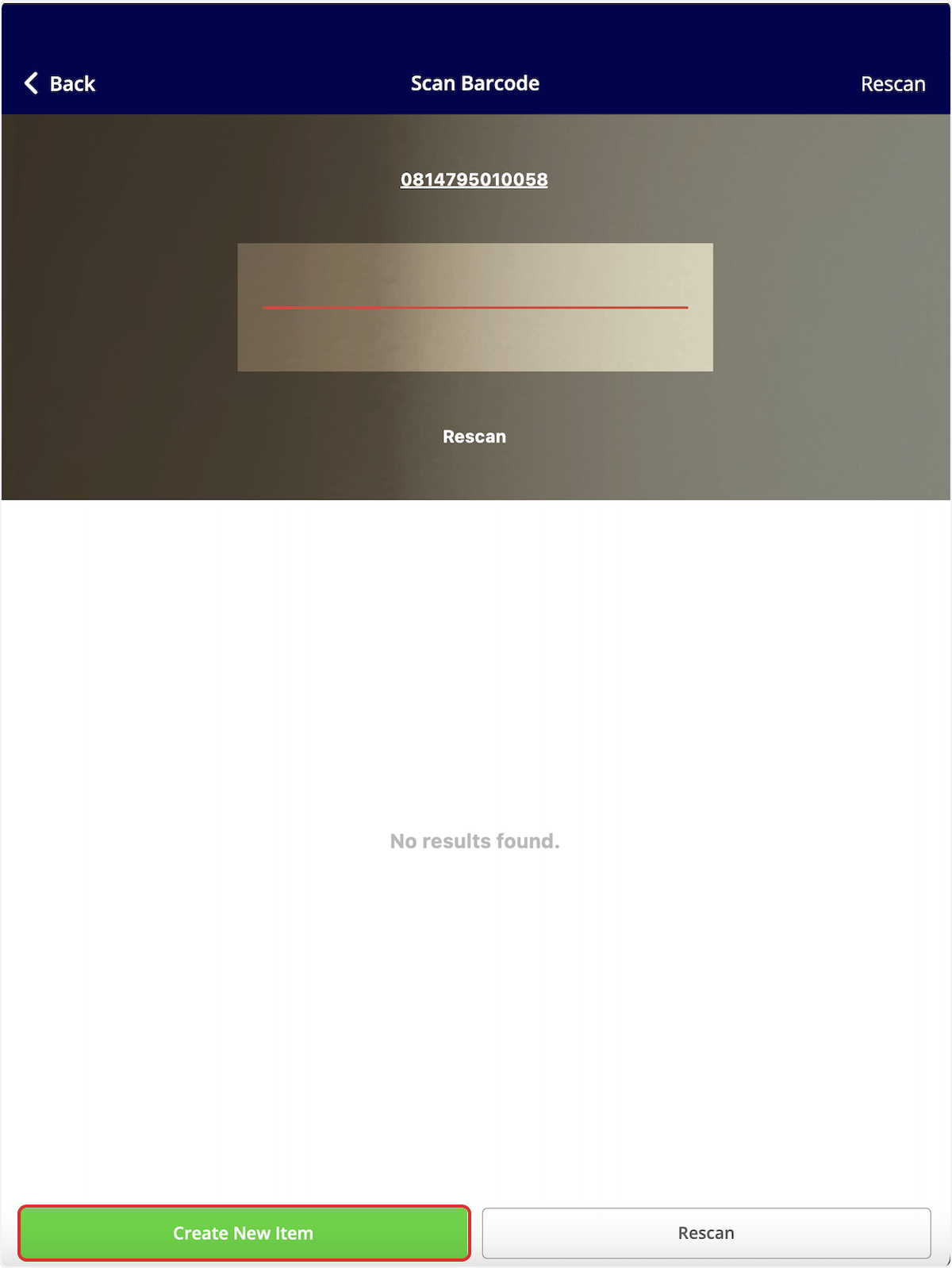
Point your device camera at the barcode. If the barcode is not in your system, the screen reads No results found. — select Create New Item.
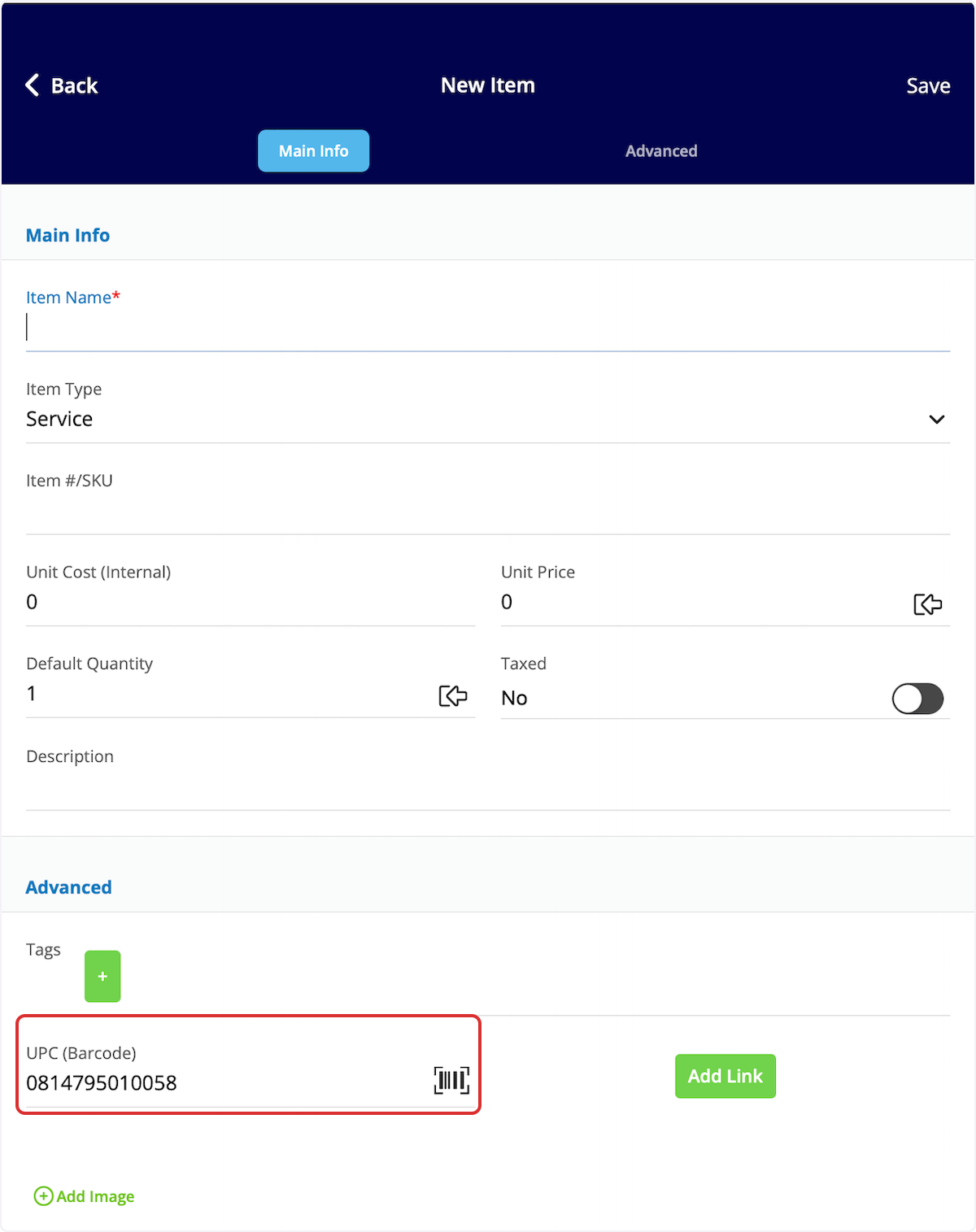
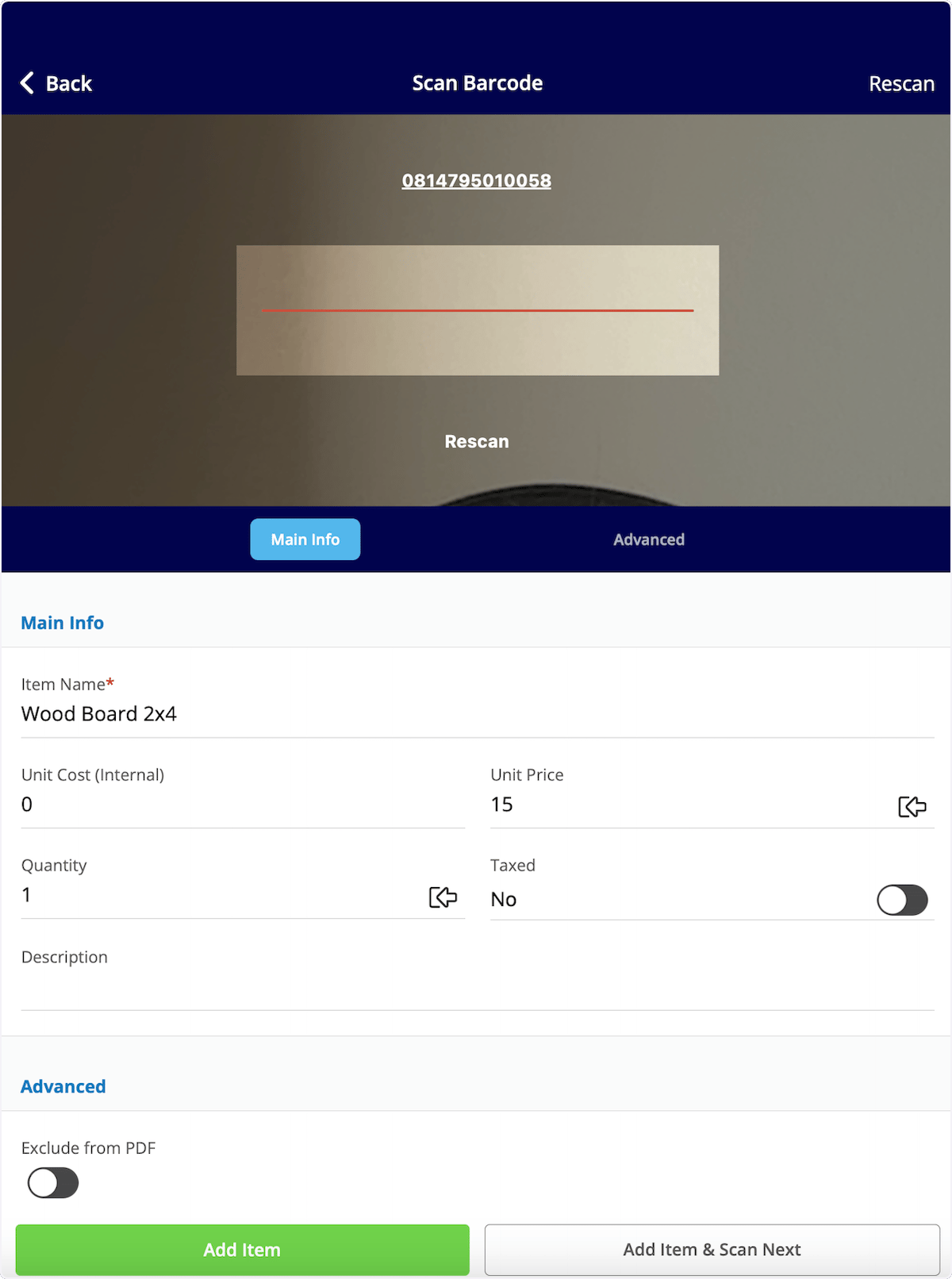
- Enter the item name, item type, SKU, unit cost, unit price, and description. FieldPulse fills the scanned barcode into the UPC (Barcode) field. Save the item and select Add Item to save it to your item list and add it to the estimate.
Save, preview, and send
-
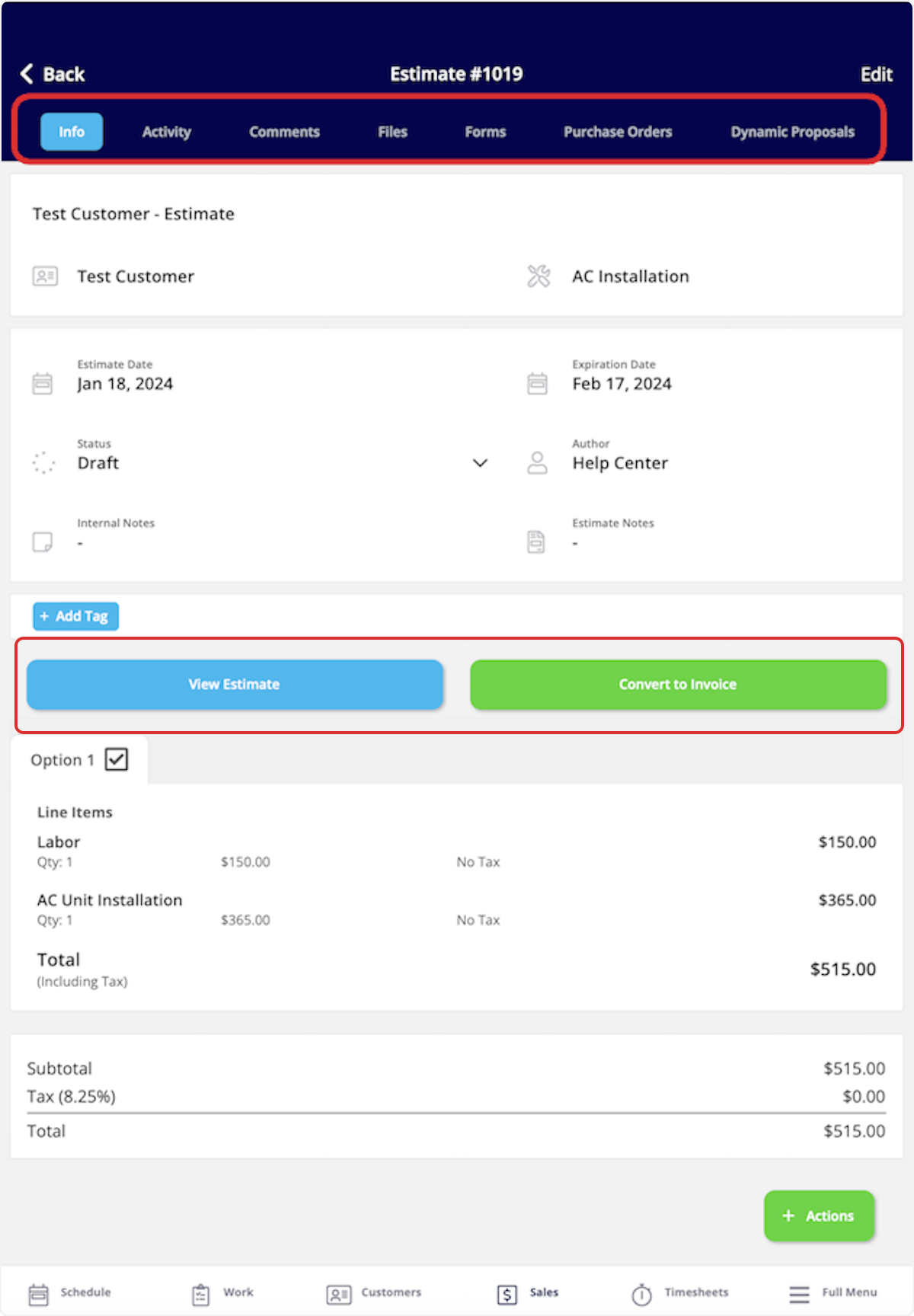
Save the estimate to open the estimate record. Use the top menu to add related material to the estimate or view recent changes.
-
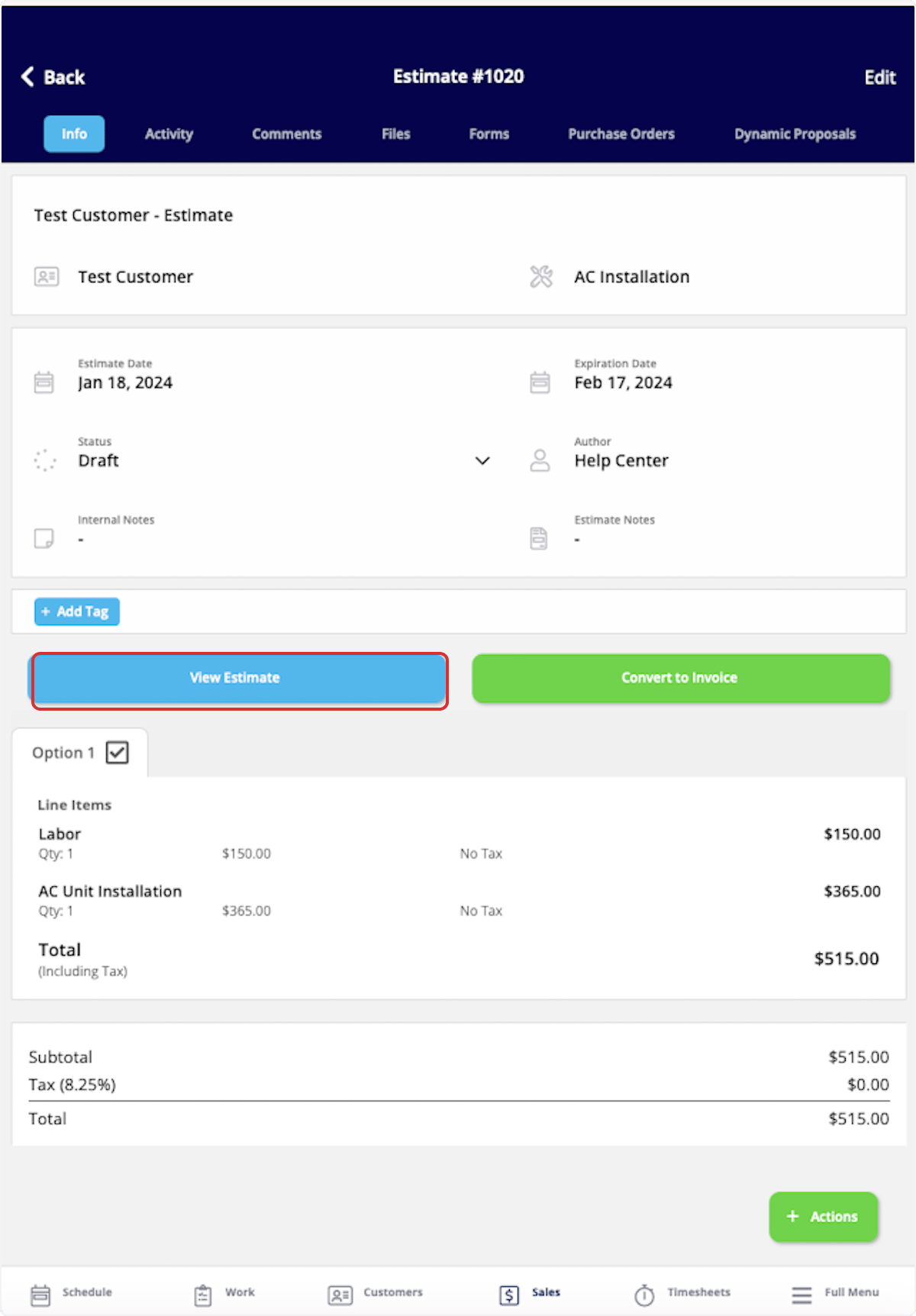
Select View Estimate to open the estimate the way your customer sees it.
-
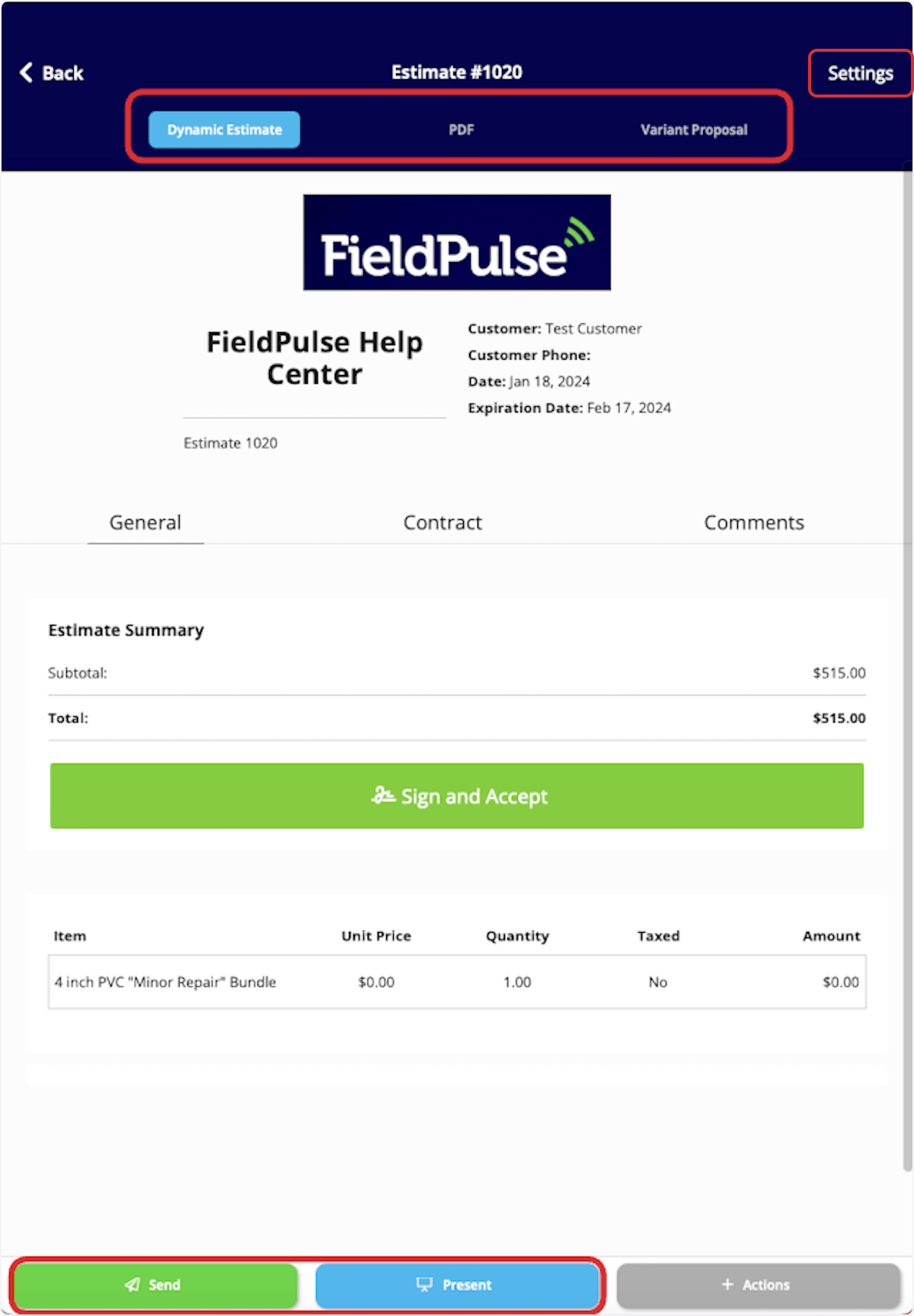
Choose the view you want — Dynamic Estimate, PDF, or Variant Proposal — then select Send to email the estimate or Present to show it to the customer in person. See How to Send Estimates & Invoices to Customers.
-
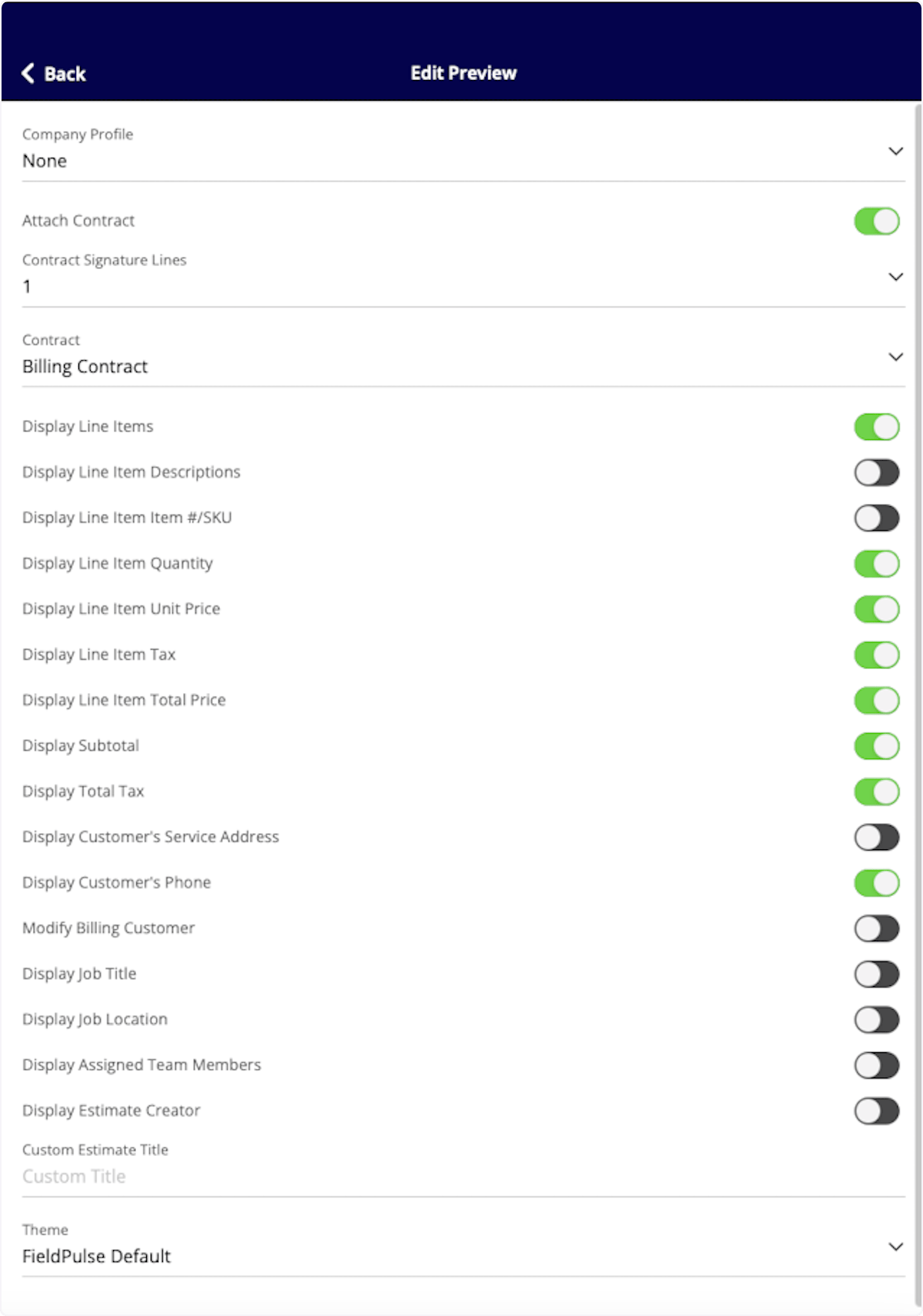
Select Settings to change how this estimate displays, including the company profile, the attached contract and signature lines, which line item details appear, and the theme.
- When the customer accepts, select Convert to Invoice to transfer every detail from the estimate into an invoice record.
Video walkthrough: creating an estimate in the mobile app
Estimate statuses
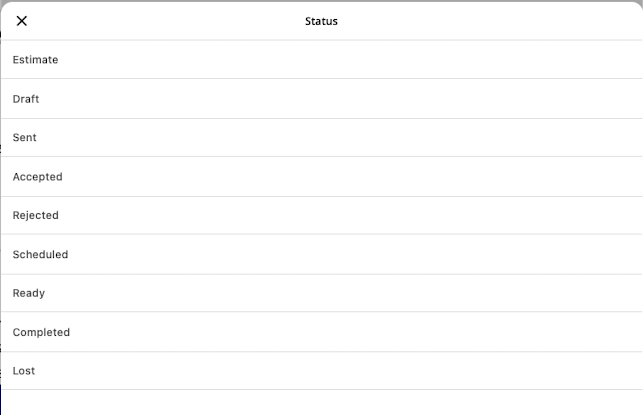
FieldPulse lists each estimate’s status on the right side of its record on the Estimates page. The Draft, Sent, and Accepted statuses update automatically. You can set the remaining statuses yourself to track an estimate over time, and you can change the status from the estimate record. Sort your estimates by status with the menu at the top of the Estimates page. To build your own set of statuses, see Setting Up Custom Estimate & Invoice Status Workflows.