Who uses this: An Admin creates automatic triggers — they live in Company Settings, which only Admin users can view. Availability: All regions · Customer communications must be enabled on your account; texting U.S. numbers through Engage requires 10DLC registration.An automatic trigger ties one of your customer communication templates to a moment in the work — a job is created, an estimate is accepted, an invoice goes past due — so FieldPulse sends the message on its own. You set a trigger up once, and every customer gets the same message at the same point without anyone on your team remembering to send it.
Overview
An automatic trigger has three parts: the trigger (the moment that starts it), the Trigger Action (whether the message sends on its own, asks you to confirm first, sends on a timing sequence, or waits for a timing sequence and then asks you to confirm), and the template (the email or SMS that goes out). You build automatic triggers in Company Settings > Customer Communications, on the Automatic Triggers tab. There are a variety of trigger options, covering moments like estimate activity, invoice activity, payment activity, and job or site visit activity. The Settings reference below describes some of the options you can choose from.Video walkthrough
This walkthrough covers Customer Communications in the web app end to end, including creating automatic triggers:Before you begin
- Build the email or SMS template first. An automatic trigger points at an existing template, so the template has to exist before you create the trigger. See Setting Up Email & SMS Templates.
- Sign in as an Admin. Automatic triggers live in Company Settings, which only Admin users can view.
- Confirm customer communications are enabled on your FieldPulse account.
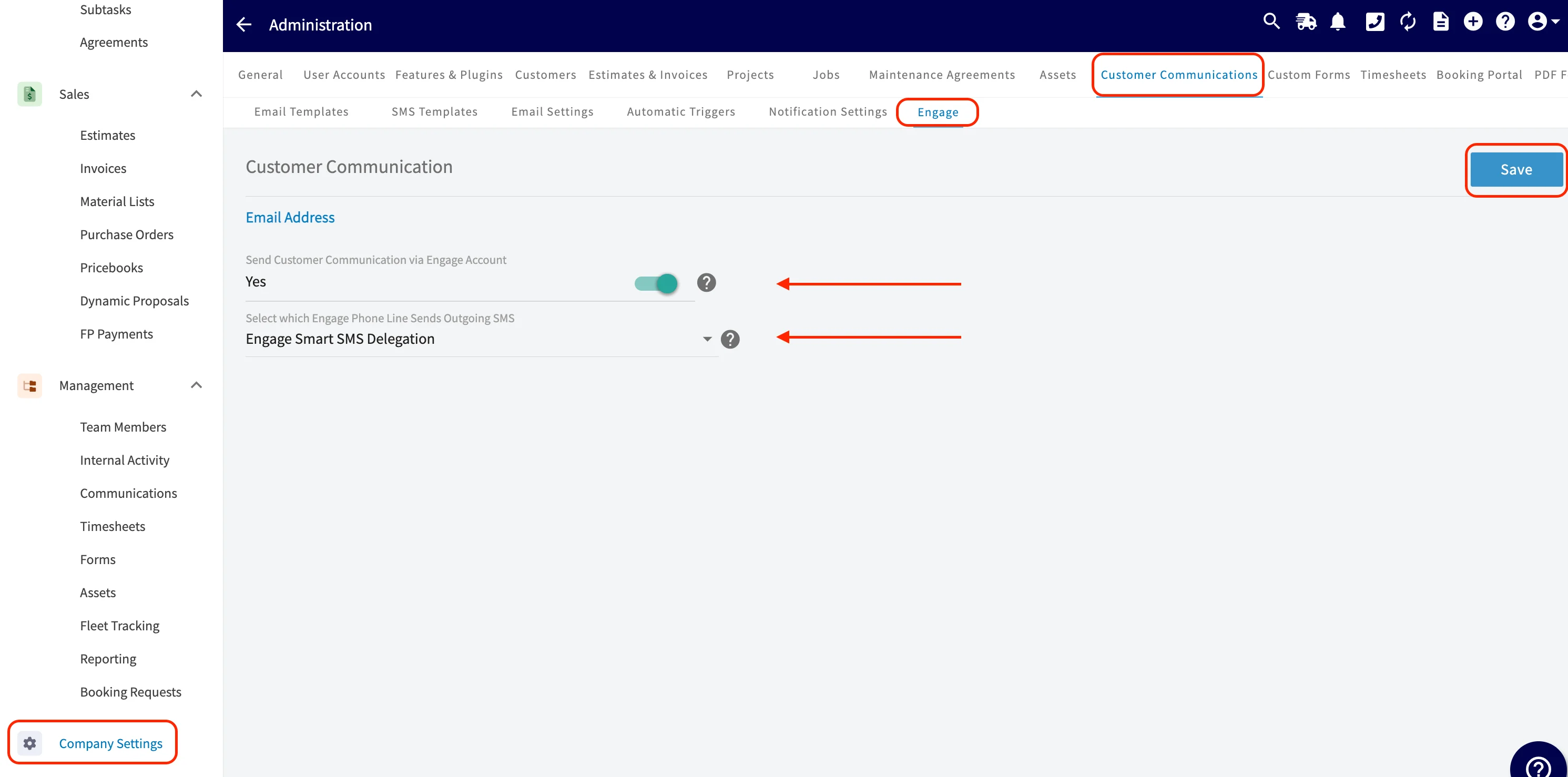
- Optional — connect Engage. If you want triggered messages to send from your own business phone line instead of a FieldPulse toll-free number, set up Engage and turn on Send Customer Communication via Engage Account. The toggle governs how triggered messages send — see How triggered messages send below.
Step-by-step setup
- Go to Company Settings and select Customer Communications.
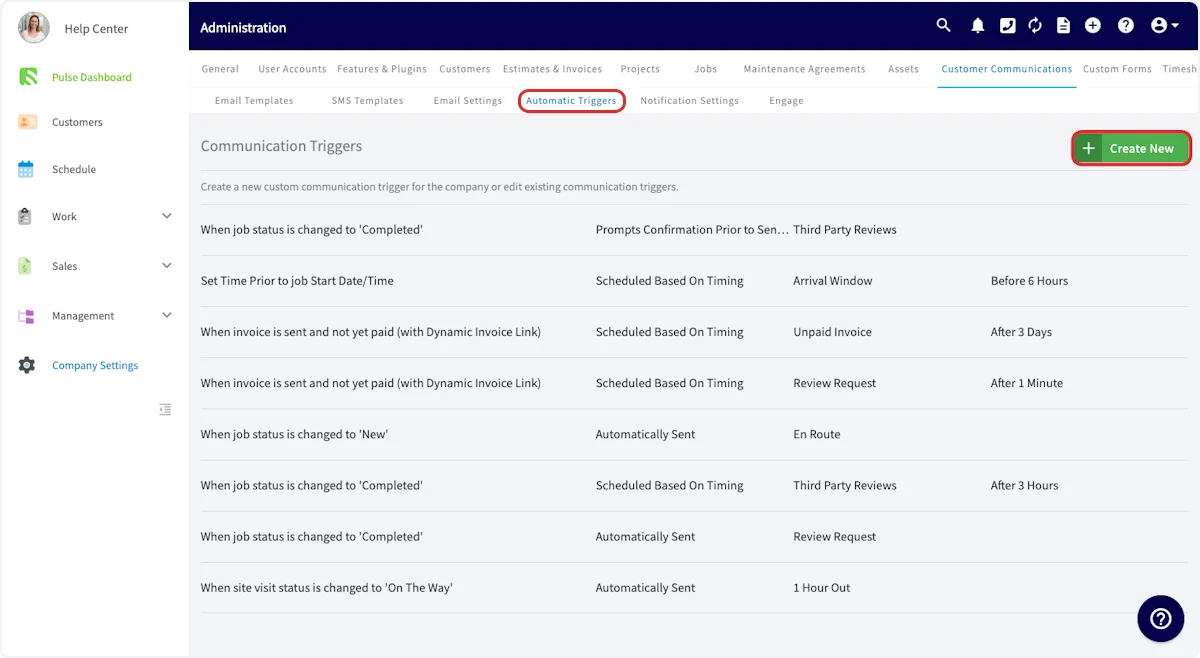
- Select Automatic Triggers.
-
Select Create New.
-
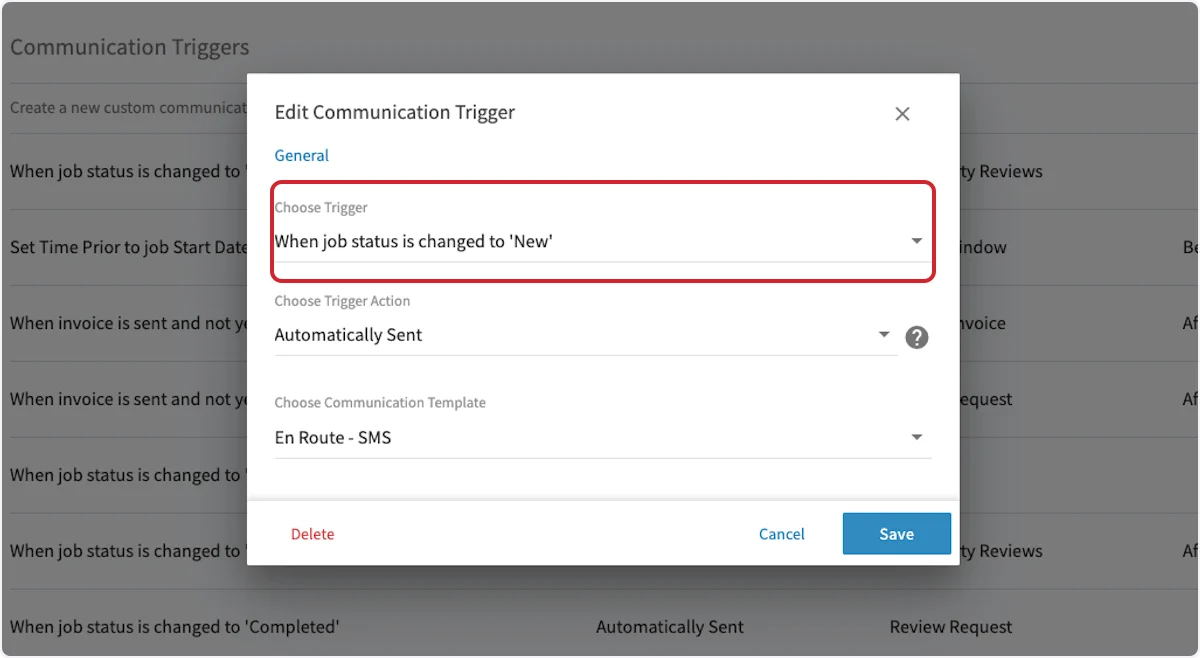
Choose the trigger — the moment you want the message to send. There are a variety of options, so scroll through the list and select the one that applies. The trigger reference below describes some of the options. The example below uses When job status is changed to ‘New’.
-
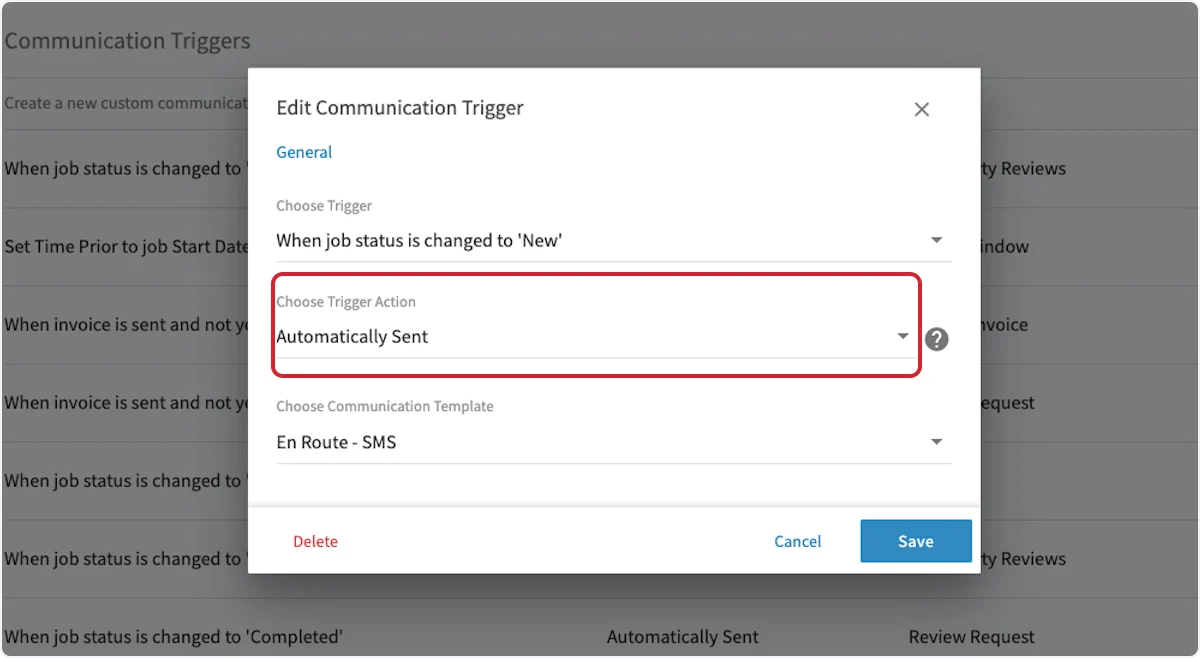
Choose the Trigger Action — Automatically Sent, Prompts Confirmation Prior to Sending, Scheduled Based On Timing, or Scheduled With Confirmation. See the Trigger actions table in the Settings reference below for what each one does.
-
Choose the email or SMS template FieldPulse should send when the trigger fires.
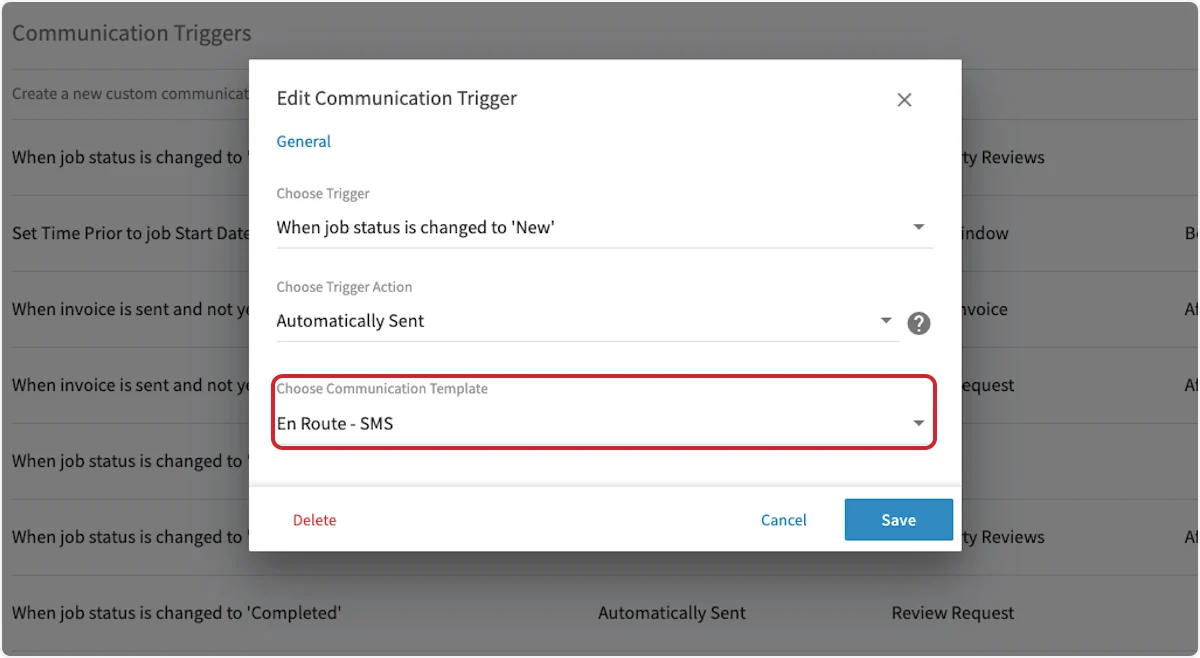
- Select Save.
Settings reference
Trigger reference
Some of the trigger options you can choose from:Trigger actions
How triggered messages send
Which number or address a triggered message comes from depends on whether Engage is connected:- With Engage — If Engage is enabled and Send Customer Communication via Engage Account is on, SMS and email triggers send through your Engage account, using one of two options you choose: Engage Smart SMS Delegation (FieldPulse uses the sender’s assigned line, falls back to the company owner’s line, then to any available Engage line) or a Custom Phone Line, so every triggered message always sends from the same line.
- Without Engage — All email and SMS triggers send from a no-reply toll-free FieldPulse number.
Trip tracking messages cannot be tied to an automatic trigger — a technician sends each one by hand from the mobile app, and the live location link stays active for one hour after it is sent.
FAQs
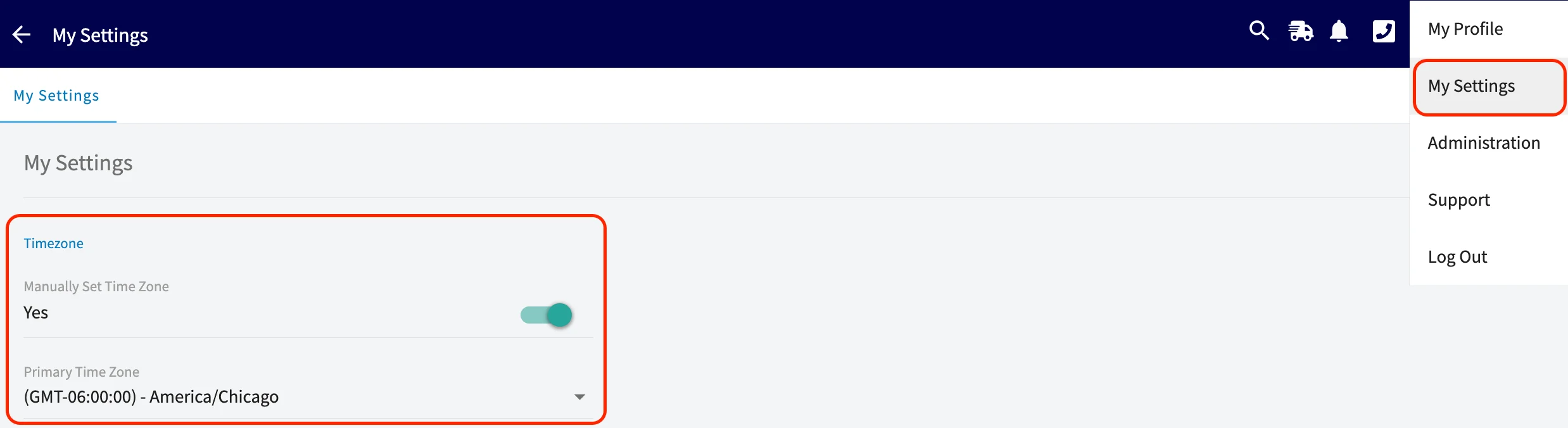
What time do automatic communications send to my customers? Date-based triggers send at 8:00 AM in the timezone set on your FieldPulse account, so a message set for 3 days after a job moves to Completed sends at 8:00 AM on that day. Hour-based triggers send at the exact interval instead — a message set for 30 hours after completion sends 30 hours after that job entered the Completed status.